


 English
 中文简体
中文简体 عربى
عربى
Content
PVC panels are rigid plastic sheets made from polyvinyl chloride that serve as decorative and protective wall and ceiling coverings. These lightweight, waterproof panels have become a popular alternative to traditional materials like wood, tile, and drywall, offering durability and low maintenance at an affordable price point.
The panels typically measure between 5mm to 10mm in thickness and come in standard lengths of 2.4 to 6 meters. Their interlocking tongue-and-groove design allows for quick installation without specialized skills, making them accessible for both professional contractors and DIY enthusiasts.
Composition and Manufacturing Process
PVC panels consist of approximately 55-65% polyvinyl chloride resin, with the remainder comprising stabilizers, plasticizers, and pigments. The manufacturing process involves extruding the PVC compound through heated dies to create hollow or solid panel profiles.
Key Components
- PVC resin - provides structural integrity and chemical resistance
- Calcium carbonate - acts as a filler to reduce costs and improve rigidity
- UV stabilizers - prevent yellowing and degradation from sunlight exposure
- Impact modifiers - enhance durability and resistance to cracking
- Color pigments - create various aesthetic finishes
The hollow chamber design within most panels provides thermal insulation properties while reducing material weight, making them easier to transport and install.
Types of PVC Panels
The market offers various PVC panel types designed for specific applications and aesthetic preferences.
| Panel Type | Thickness | Best Use | Price Range |
|---|---|---|---|
| Standard Wall Panels | 5-8mm | Interior walls | $2-5/sq ft |
| Ceiling Panels | 5-7mm | Suspended ceilings | $1.50-4/sq ft |
| 3D Textured Panels | 8-10mm | Feature walls | $6-12/sq ft |
| Exterior Cladding | 10-12mm | Outdoor facades | $8-15/sq ft |
Finish Options
- Glossy finish - reflects light and makes spaces appear larger, ideal for bathrooms
- Matte finish - reduces glare and hides minor imperfections
- Wood grain - mimics natural wood textures without maintenance requirements
- Marble effect - provides luxury appearance at fraction of stone cost
- Metallic - creates contemporary industrial aesthetic
Practical Applications and Use Cases
PVC panels excel in moisture-prone environments where traditional materials would deteriorate. Their versatility has expanded their use across residential, commercial, and industrial settings.
Residential Applications
- Bathrooms and kitchens - waterproof properties prevent mold growth and water damage
- Basements - resist humidity and provide easy-to-clean surfaces
- Laundry rooms - withstand frequent moisture exposure
- Garages - durable against impacts and easy to maintain
Commercial Settings
Commercial facilities increasingly choose PVC panels for their hygienic properties and cost-effectiveness. Hospitals install panels in over 40% of new construction projects due to their antimicrobial coating options and easy sanitization. Food processing facilities use them to meet strict health code requirements, as the non-porous surface prevents bacterial growth.
Retail stores favor PVC panels for quick renovations, with installation speeds reaching 200-300 square feet per day compared to 100-150 square feet for traditional drywall finishing.
Advantages Over Traditional Materials
PVC panels offer distinct benefits that justify their growing market share, which reached $4.2 billion globally in 2024.
Economic Benefits
- Lower installation costs - reduce labor expenses by 30-50% compared to tile or wood
- Minimal waste - panels can be cut precisely, with typical waste under 5%
- No painting required - eliminates recurring maintenance costs
- Long lifespan - quality panels last 15-20 years with minimal maintenance
Performance Characteristics
- Water resistance - zero moisture absorption prevents warping and deterioration
- Thermal insulation - R-value of approximately 0.9-1.2 per inch reduces energy costs
- Sound dampening - hollow chambers reduce noise transmission by 15-20 decibels
- Fire resistance - self-extinguishing properties with flame spread ratings of 25 or less
- Chemical resistance - withstands most household cleaners and chemicals
Installation Process and Requirements
Installing PVC panels requires basic tools and follows a straightforward process suitable for homeowners with moderate DIY skills.
Preparation Steps
- Clean and level the wall surface, ensuring it's free from debris and moisture
- Install furring strips or battens at 16-24 inch intervals for proper panel support
- Acclimatize panels to room temperature for 24 hours to prevent expansion issues
- Measure and cut panels using a fine-tooth saw or utility knife
Installation Method
Begin installation from a corner, securing the first panel vertically with staples or adhesive. Subsequent panels slide into the groove of the previous panel, creating a seamless appearance. Most installations proceed at 30-40 square feet per hour for experienced installers.
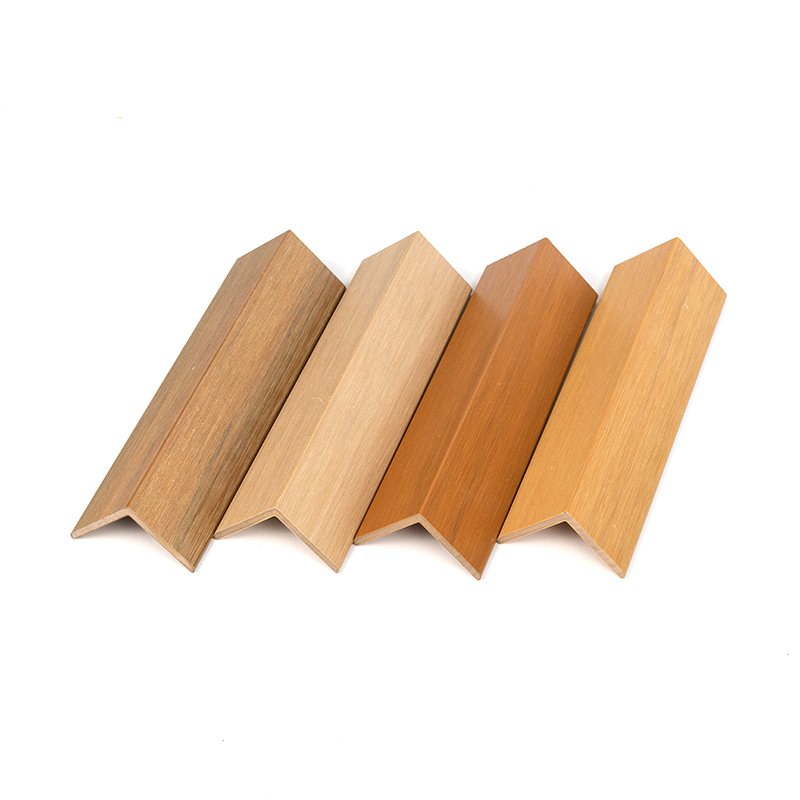
Leave a 3-5mm expansion gap at ceiling and floor junctions to accommodate thermal movement. Finish edges with matching trim pieces that snap or glue into place.
Maintenance and Cleaning Guidelines
PVC panels require minimal upkeep compared to painted surfaces or natural materials, contributing to their total cost-effectiveness.
Regular Cleaning
- Wipe with damp cloth and mild detergent for routine maintenance
- Use non-abrasive cleaners to preserve glossy finishes
- Avoid acetone and strong solvents that can damage the surface
- Remove stains immediately to prevent discoloration
Long-term Care
Inspect joints annually for separation or moisture intrusion. Replace damaged panels individually without disturbing surrounding sections. UV-protected panels maintain their color for 10+ years in direct sunlight, while indoor panels resist yellowing indefinitely under normal conditions.
Environmental Considerations
The environmental impact of PVC panels remains a topic of discussion within the construction industry, with both concerns and improvements emerging.
Sustainability Aspects
Modern PVC panel manufacturing has improved significantly, with leading manufacturers now incorporating up to 30% recycled content in their products. The panels themselves are fully recyclable at end-of-life, though recycling infrastructure varies by region.
Energy consumption during production has decreased by approximately 20% since 2015 through improved extrusion processes. The long lifespan of panels reduces replacement frequency, offsetting initial production impacts.
Health and Safety
- Low VOC emissions make them suitable for enclosed spaces
- Non-toxic when properly manufactured and installed
- Fire-rated options meet building code requirements
- Antimicrobial additives available for healthcare environments
Selection Criteria for Buyers
Choosing appropriate PVC panels requires evaluating several factors based on your specific project requirements.
Quality Indicators
- Thickness uniformity - consistent measurement across the panel ensures durability
- Chamber structure - more internal chambers provide better insulation and strength
- Surface finish - even coating without bubbles or discoloration
- UV stabilization - essential for panels exposed to sunlight
- Warranty coverage - reputable manufacturers offer 10-15 year warranties
Application-Specific Recommendations
For high-moisture areas like showers, select panels with 8mm or greater thickness and sealed edges. Commercial kitchens require panels with fire ratings of Class A or B. Exterior applications demand UV-stabilized panels rated for outdoor use with expanded thickness ranges of 10-12mm.
Consider purchasing 10-15% extra material to account for cutting waste and future repairs, as color matching can be challenging with different production batches.
Common Challenges and Solutions
Understanding potential issues helps ensure successful PVC panel installations and long-term satisfaction.
Installation Issues
- Warping - caused by inadequate support spacing; solve by adding furring strips at 16-inch intervals maximum
- Gaps between panels - result from insufficient force during joining; ensure firm pressing into grooves
- Buckling - occurs without expansion gaps; maintain 3-5mm spacing at perimeters
- Difficulty cutting - use sharp blades and score-and-snap method for clean edges
Performance Concerns
Discoloration from prolonged UV exposure affects panels without proper stabilizers. Upgrading to UV-protected variants prevents this issue. Surface scratches on glossy finishes can be minimized by using furniture pads and avoiding abrasive cleaning tools.
Impact damage, while rare with quality panels, can be addressed by replacing individual sections. Keep spare panels from the original installation for perfect color matching.


