


 English
 中文简体
中文简体 عربى
عربى
Content
- Why Combining PVC Panels Correctly Matters
- Common Connection Methods for PVC Panels
- Best Layout Strategies for Combining PVC Panels
- Tools and Materials Needed for Seamless Panel Combination
- Step-by-Step Guide to Combining PVC Panels
- Comparing Popular PVC Panel Combination Options
- Design Tips for Combining PVC Panels Beautifully
- Common Mistakes to Avoid When Joining PVC Panels
- Long-Term Maintenance for Combined PVC Panel Systems
- Final Thoughts on Combining PVC Panels Effectively
Why Combining PVC Panels Correctly Matters
Combining PVC panels is more than just placing sheets side by side. The way panels connect affects structural stability, waterproof performance, thermal insulation, and visual consistency. Poor joint alignment can lead to moisture penetration, panel warping, and visible seams that reduce the overall quality of the finish.
Professionally combined PVC wall panels create a smooth, continuous surface that resists mold, simplifies cleaning, and lasts for years. Whether used in bathrooms, kitchens, basements, commercial spaces, or exterior cladding, correct panel combination techniques significantly improve durability and appearance.
Common Connection Methods for PVC Panels
Different joining systems are designed to match panel thickness, installation environment, and aesthetic goals. Understanding these options helps you choose the most reliable and visually pleasing solution.
Tongue and Groove Interlocking System
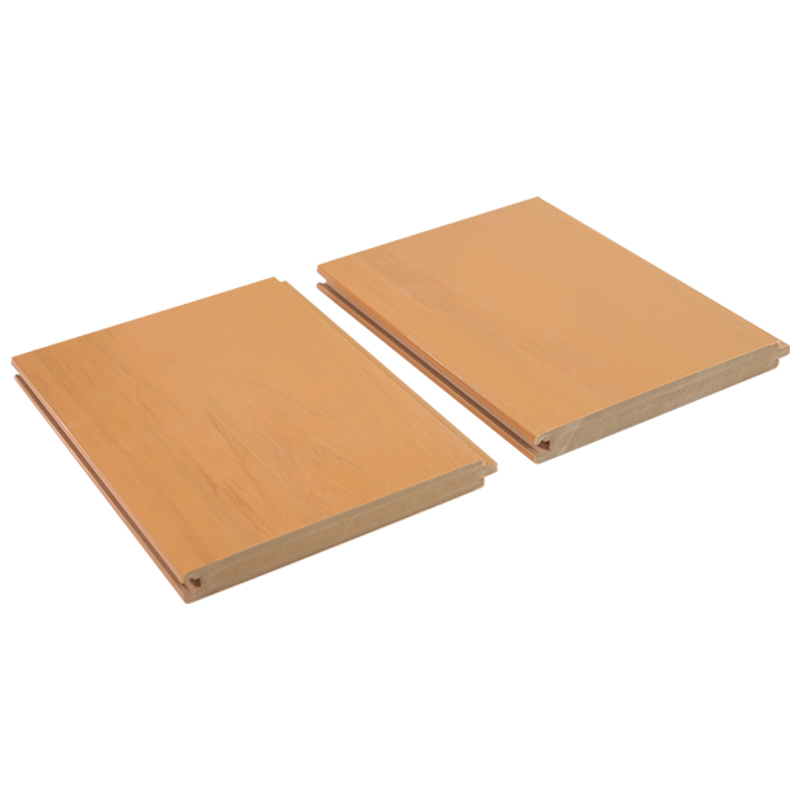
Tongue and groove PVC panels feature raised edges on one side and recessed slots on the other. Panels slide together tightly, forming seamless joints that block water infiltration and improve alignment speed during installation.
- Creates a smooth, almost invisible seam
- Enhances moisture resistance
- Reduces need for additional sealants
H-Profile and U-Profile Connectors
PVC profiles act as physical connectors placed between panels. H-profiles join two panels in a straight line, while U-profiles finish exposed edges. These are ideal for large wall surfaces or modular layouts.
- Provides strong structural alignment
- Allows thermal expansion movement
- Creates decorative framing effects
Adhesive and Seam Sealing Techniques
In renovation projects where interlocking systems are not available, PVC-compatible construction adhesives combined with silicone seam sealants can secure panel joints tightly.
Best Layout Strategies for Combining PVC Panels
Panel arrangement impacts both visual flow and structural strength. Strategic layouts prevent visible misalignment and optimize load distribution across the surface.
Vertical Panel Alignment
Vertical PVC wall panels visually increase ceiling height and encourage water runoff, making them perfect for bathrooms and shower enclosures.
Horizontal Panel Combination
Horizontal installations widen room perception and suit living rooms, hallways, and commercial corridors where modern aesthetics are desired.
Mixed Pattern Panel Designs
Using textured PVC panels alongside smooth panels creates contrast and depth. Popular combinations include wood-grain PVC cladding with marble-effect panels for luxury interiors.
Tools and Materials Needed for Seamless Panel Combination
Using the right tools ensures straight joints, proper adhesion, and long-term durability.
- Measuring tape and level for alignment
- PVC panel cutter or fine-tooth saw
- Construction-grade adhesive
- Silicone waterproof sealant
- Profile connectors and corner trims
Step-by-Step Guide to Combining PVC Panels
Following a structured installation approach helps prevent misalignment and moisture gaps.
- Clean and level the wall surface thoroughly
- Install starter trims or profiles along edges
- Apply adhesive evenly across panel backs
- Interlock or slide panels firmly into connectors
- Seal joints with waterproof silicone if required
Comparing Popular PVC Panel Combination Options
| Connection Type | Water Resistance | Installation Speed | Visual Finish |
| Tongue & Groove | Excellent | Fast | Seamless |
| H-Profile Connectors | Very Good | Moderate | Decorative |
| Adhesive Sealing | Good | Slow | Visible seams |
Design Tips for Combining PVC Panels Beautifully
Combining panels is also an opportunity to elevate interior design while keeping costs low.
- Use contrasting textures for feature walls
- Match seam profiles to panel color for invisibility
- Combine matte and glossy finishes for depth
- Align patterns consistently across joints
Common Mistakes to Avoid When Joining PVC Panels
Avoiding installation errors saves repair costs and extends panel lifespan.
- Skipping surface leveling before installation
- Overtightening panels and preventing expansion
- Using incompatible adhesives
- Neglecting waterproof sealing in wet areas
Long-Term Maintenance for Combined PVC Panel Systems
Properly combined PVC panels require minimal maintenance but benefit from routine care.
Clean surfaces with mild soap and water, inspect joints annually for seal integrity, and replace damaged connectors immediately to maintain moisture resistance. High-quality PVC wall panels can last over 20 years when correctly installed and combined.
Final Thoughts on Combining PVC Panels Effectively
Combining PVC panels using professional methods transforms ordinary walls and ceilings into durable, stylish, and waterproof surfaces. By selecting the right connection system, following structured installation steps, and applying smart design strategies, homeowners and contractors achieve long-lasting results with minimal upkeep.
Whether you’re upgrading a bathroom, renovating commercial interiors, or installing modern PVC cladding, mastering panel combination techniques ensures both performance and visual excellence.


