


 English
 中文简体
中文简体 عربى
عربى
Content
- Understanding the Functional Role of Indoor Wall Paneling
- Common Indoor Wall Paneling Materials and Their Applications
- Performance Factors to Consider Before Selection
- Installation Methods for Interior Wall Panels
- Cost Comparison of Indoor Wall Paneling Materials
- Maintenance and Long-Term Care Considerations
- Practical Selection Tips for Different Interior Spaces
Understanding the Functional Role of Indoor Wall Paneling
Indoor wall paneling serves both structural and decorative purposes in residential and commercial interiors. Beyond surface aesthetics, modern wall panels improve wall protection, acoustic performance, and thermal insulation. Compared with traditional paint or wallpaper, indoor wall paneling offers higher durability, easier maintenance, and more consistent visual results, especially in high-traffic areas such as corridors, offices, hotels, and retail spaces.
The growing demand for interior wall panels is driven by renovation efficiency and material innovation. Factory-finished panels reduce on-site labor, minimize dust, and shorten project timelines. For property owners, this means faster turnover and lower long-term maintenance costs.
Common Indoor Wall Paneling Materials and Their Applications
Selecting the right material is critical to performance, lifespan, and visual consistency. Each panel type addresses different functional needs, from moisture resistance to design flexibility.
PVC Wall Panels
PVC wall panels are widely used in bathrooms, kitchens, and basements due to their excellent moisture resistance. These panels are lightweight, easy to install, and resistant to mold and mildew. Their smooth surface allows for quick cleaning, making them suitable for hygienic environments.
Wood and Engineered Wood Panels
Natural wood wall paneling offers warmth and texture, often used in living rooms, offices, and hospitality interiors. Engineered wood panels, such as MDF or plywood-based options, provide better dimensional stability while retaining a wood-like appearance. Proper sealing is essential to prevent moisture-related deformation.
WPC Wall Panels
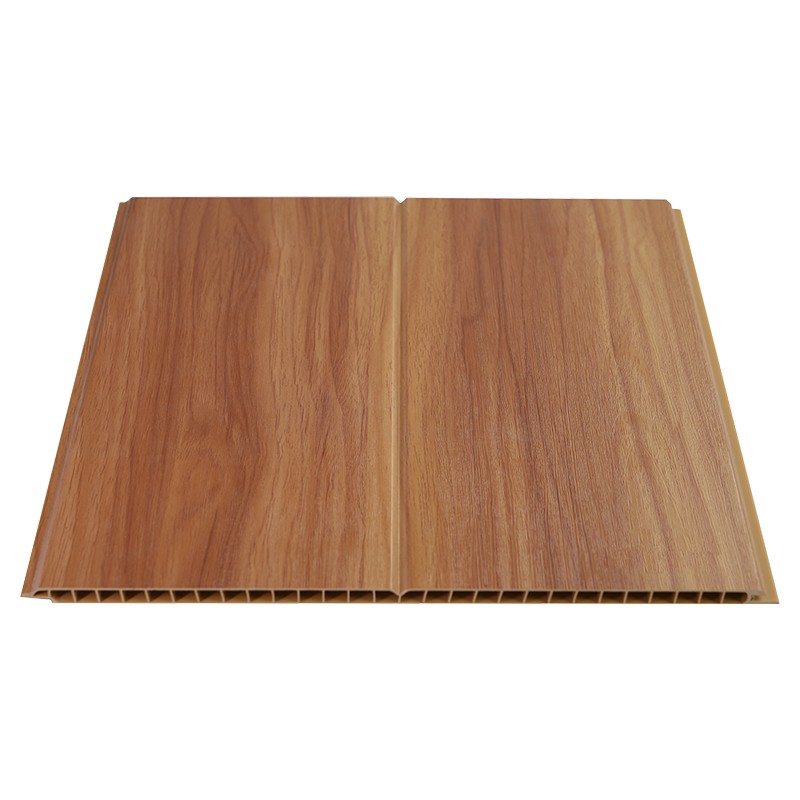
Wood Plastic Composite wall panels combine wood fibers with polymer materials, balancing aesthetics and durability. WPC indoor wall paneling resists moisture, termites, and surface cracking, making it suitable for long-term interior use in both residential and commercial projects.
Performance Factors to Consider Before Selection
Indoor wall paneling should be evaluated based on performance rather than appearance alone. Understanding these technical factors helps avoid premature replacement and additional renovation costs.
- Moisture resistance for kitchens, bathrooms, and underground spaces
- Impact resistance in public or high-traffic interiors
- Fire performance and compliance with local building codes
- Sound absorption for offices, hotels, and multi-unit housing
Installation Methods for Interior Wall Panels
Correct installation directly affects the appearance and lifespan of indoor wall paneling. The choice of method depends on wall conditions, panel material, and future maintenance requirements.
Direct Adhesive Installation
This method is suitable for lightweight panels and flat wall surfaces. Construction adhesive or panel glue allows fast installation with minimal tools. However, removal can damage the wall substrate, making it less suitable for temporary applications.
Framework or Batten Installation
Installing panels onto a metal or wooden framework improves ventilation and accommodates uneven walls. This method also allows space for wiring or insulation behind the panels, commonly used in commercial interiors and renovation projects.
Cost Comparison of Indoor Wall Paneling Materials
Understanding cost structure helps balance budget constraints with performance expectations. The table below compares typical indoor wall paneling options.
| Material Type | Initial Cost | Maintenance Level | Typical Applications |
| PVC Panels | Low | Low | Bathrooms, kitchens |
| Wood Panels | High | Medium | Living rooms, offices |
| WPC Panels | Medium | Low | Commercial interiors |
Maintenance and Long-Term Care Considerations
One advantage of modern indoor wall paneling is reduced maintenance compared to painted surfaces. Most panels require only periodic wiping with a damp cloth. Avoid abrasive cleaners that may damage surface coatings or decorative films.
For wood-based panels, maintaining stable indoor humidity helps prevent expansion or contraction. PVC and WPC panels perform well in fluctuating conditions, making them suitable for long-term installations with minimal upkeep.
Practical Selection Tips for Different Interior Spaces
Indoor wall paneling should align with the functional demands of each space. Moisture-prone areas benefit from non-porous materials, while living spaces prioritize texture and visual comfort. Commercial interiors often require impact resistance and fire-rated solutions to meet safety regulations.
Evaluating panel thickness, locking systems, and surface finishes before purchase ensures compatibility with installation conditions and long-term usage expectations. Consulting suppliers for test reports and certifications further reduces project risks.


