


 English
 中文简体
中文简体 عربى
عربى
Content
Foil PVC foam flooring has become a popular choice for both residential and commercial spaces due to its durability, versatility, and cost-effectiveness. This type of flooring combines the strength of PVC with the cushioning effect of foam, making it ideal for high-traffic areas. In this article, we will explore the benefits, installation process, and practical tips for using foil PVC foam flooring in your next project.
What is Foil PVC Foam Flooring?
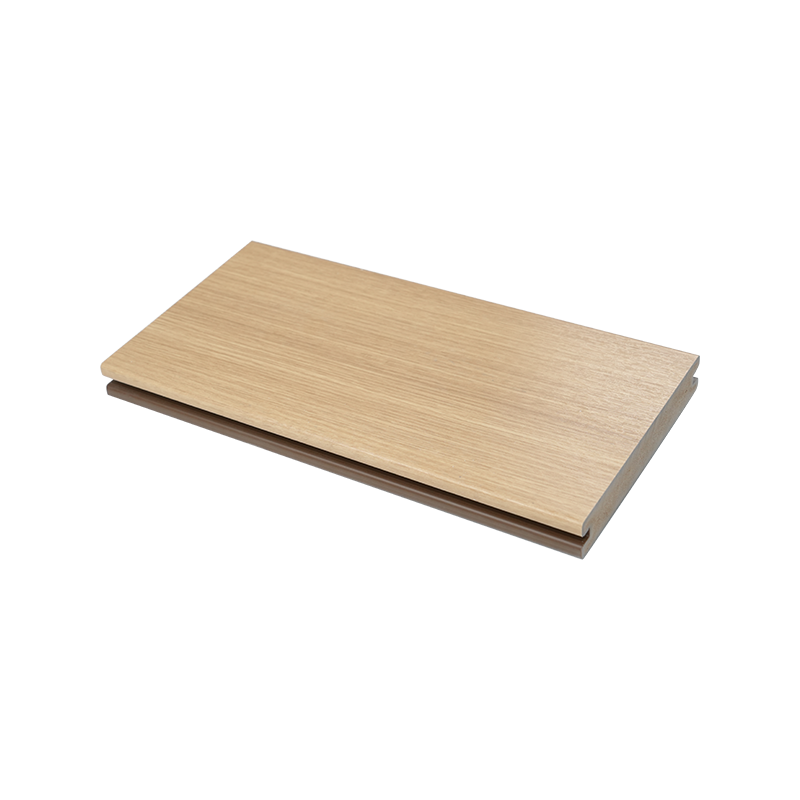
Foil PVC foam flooring is a composite material made from polyvinyl chloride (PVC) and foam, often with a foil backing. This combination provides a strong, flexible, and lightweight floor covering that can be used in a variety of settings. The foil backing often adds an extra layer of insulation, making it suitable for both cold and warm environments. Its cushioning effect makes it comfortable to walk on, while the PVC layer ensures durability and resistance to wear and tear.
Advantages of Foil PVC Foam Flooring
There are several reasons why foil PVC foam flooring is gaining popularity as a flooring choice. Here are some of the key benefits:
- Durability: PVC is a highly durable material that can withstand heavy foot traffic and wear. The foam layer provides added resilience, making it ideal for high-use areas.
- Comfort: The foam backing offers cushioning, making it more comfortable to walk on than harder flooring materials like tile or hardwood.
- Water Resistance: PVC flooring is resistant to water, making it a great option for kitchens, bathrooms, and basements where moisture is a concern.
- Insulation: The foil backing can provide insulation, helping to maintain temperature control in your home or commercial space.
- Low Maintenance: Foil PVC foam flooring is easy to clean and requires minimal maintenance compared to other flooring options.
Applications of Foil PVC Foam Flooring
Foil PVC foam flooring is versatile and can be used in various settings. Here are some common applications:
Residential Use
In residential areas, foil PVC foam flooring is commonly used in living rooms, kitchens, bathrooms, and bedrooms. Its comfort and durability make it an excellent choice for families with children or pets. The variety of colors and patterns available also allows homeowners to choose a style that complements their interior décor.
Commercial Use
In commercial spaces such as offices, retail stores, and warehouses, foil PVC foam flooring is chosen for its strength and ease of maintenance. It provides an affordable alternative to traditional commercial flooring, while still offering long-lasting performance in high-traffic environments.
How to Install Foil PVC Foam Flooring
Installing foil PVC foam flooring is relatively simple, especially for DIY enthusiasts. Here are the basic steps for installation:
- Preparation: Start by cleaning and leveling the subfloor. Ensure that it is dry and free from debris. If necessary, apply a primer to improve adhesion.
- Measuring and Cutting: Measure the area where the flooring will be installed. Use a utility knife or scissors to cut the PVC foam flooring to the required dimensions.
- Adhesive Application: Some foil PVC foam flooring options come with a self-adhesive backing, while others may require a separate adhesive. Apply the adhesive evenly to the subfloor if necessary.
- Installation: Start installing the flooring from one corner of the room. Press the tiles or sheets firmly into place, ensuring that each piece fits snugly against the others.
- Trimming: Once the flooring is installed, trim any excess material around the edges of the room to achieve a neat finish.
Maintenance Tips for Foil PVC Foam Flooring
Maintaining your foil PVC foam flooring is easy and requires minimal effort. Follow these tips to keep your floor looking its best:
- Regular Cleaning: Sweep or vacuum the floor regularly to remove dirt and debris. This helps to prevent scratches and stains.
- Wipe Spills Immediately: While PVC foam flooring is water-resistant, it’s still important to clean up spills promptly to prevent moisture from seeping into the seams.
- Avoid Harsh Chemicals: Use a mild cleaning solution or a floor cleaner designed for PVC flooring. Harsh chemicals or abrasive cleaners can damage the surface.
- Protect from Furniture: Place furniture pads under heavy furniture to prevent indentations in the foam layer.
Conclusion
Foil PVC foam flooring offers a practical and affordable solution for both residential and commercial spaces. Its unique combination of durability, comfort, water resistance, and easy maintenance makes it a top choice for many flooring applications. Whether you're renovating your home or outfitting a commercial space, foil PVC foam flooring is an excellent investment that will last for years to come.


