


 English
 中文简体
中文简体 عربى
عربى
Content
Understanding PVC Foam Door Core
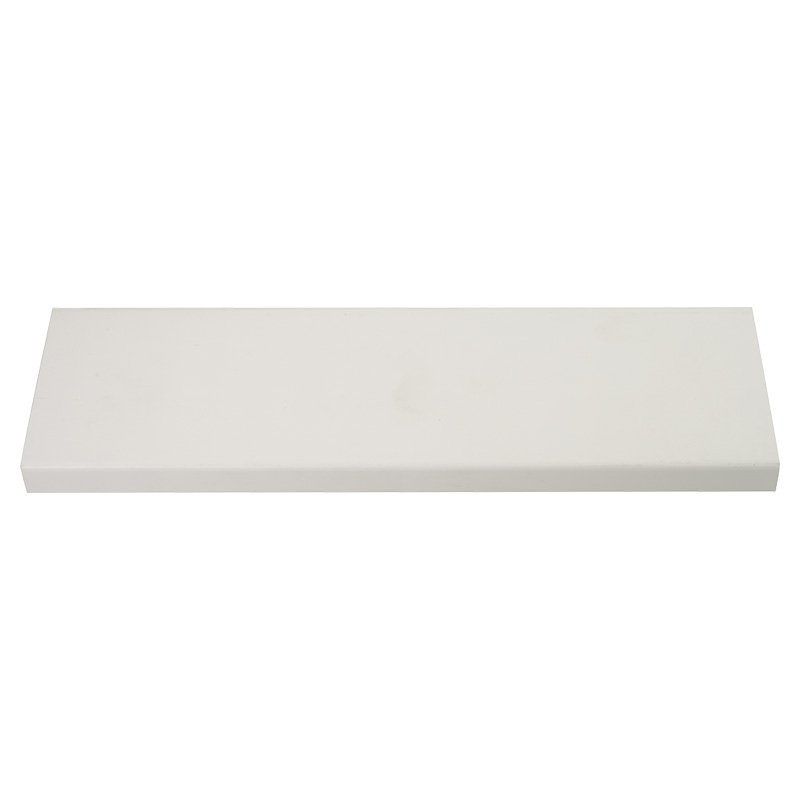
PVC Foam Door Core is a lightweight, durable material widely used in modern door manufacturing. Made from polyvinyl chloride (PVC) that has been foamed, it provides a strong yet lightweight internal structure for doors. Unlike solid wood or particleboard cores, PVC foam cores offer enhanced moisture resistance, dimensional stability, and long-term durability.
Structural Characteristics of PVC Foam Door Core
The core consists of a closed-cell structure, which significantly reduces water absorption and prevents deformation. Its uniform density ensures consistent performance across the door panel. PVC foam cores can be manufactured in various densities and thicknesses, allowing for customization based on door weight and acoustic or thermal requirements.
Key Features
- Lightweight design reduces door weight, making installation easier and minimizing stress on hinges.
- High moisture resistance prevents swelling, warping, or mold growth in humid environments.
- Excellent dimensional stability ensures long-term performance and minimal maintenance.
- Compatible with a variety of surface finishes, including PVC sheets, laminates, and paints.
Benefits of Using PVC Foam Door Core
PVC Foam Door Core offers multiple advantages over traditional door core materials such as MDF or particleboard. Its lightweight and high strength ratio allow for easier handling, reduced shipping costs, and extended hinge life. Additionally, its moisture and chemical resistance make it suitable for bathrooms, kitchens, and other high-humidity areas.
Environmental and Safety Benefits
- Non-toxic and free from formaldehyde emissions, contributing to healthier indoor air quality.
- Recyclable material that reduces environmental impact compared to traditional wood cores.
- Fire retardant grades are available, enhancing safety in residential and commercial applications.
Applications of PVC Foam Door Core
PVC Foam Door Core is widely used in both residential and commercial settings. Its adaptability allows it to be used in interior doors, exterior doors, and specialized applications requiring water resistance or acoustic insulation.
Common Uses
- Bathroom and kitchen doors where moisture resistance is critical.
- Office partitions and commercial doors for lightweight, durable construction.
- Acoustic doors in schools or hospitals to reduce sound transmission.
- Fire-rated doors with enhanced safety features.
Performance Comparison with Other Door Core Materials
Comparing PVC Foam Door Core to traditional door materials highlights its practical advantages. The table below summarizes key performance attributes:
| Property | PVC Foam Core | MDF Core | Solid Wood Core |
| Weight | Light | Moderate | Heavy |
| Moisture Resistance | High | Low | Moderate |
| Dimensional Stability | High | Low | Moderate |
| Ease of Installation | Easy | Moderate | Difficult |
| Acoustic Insulation | Moderate | Moderate | High |
Maintenance and Installation Tips
PVC Foam Door Core requires minimal maintenance. Regular cleaning with a damp cloth is sufficient, and it does not require specialized coatings or treatments. During installation, standard door hardware can be used, but attention should be given to screw length and placement to avoid cracking or deformation.
Practical Recommendations
- Always store doors in a flat position to prevent bending during transit.
- Use corrosion-resistant screws and hinges for high-humidity areas.
- Seal cut edges with appropriate PVC edge banding to maintain moisture resistance.
- Ensure the door frame is level and aligned to reduce stress on the core material.


