


 English
 中文简体
中文简体 عربى
عربى
Content
- Understanding What Outdoor Laminate Panels Are
- Material Composition and Manufacturing
- Performance in Outdoor Conditions
- Installation Considerations That Matter
- Maintenance and Long-Term Care
- Common Applications and Practical Uses
- Comparison With Other Exterior Panel Materials
- Environmental and Sustainability Factors
- Key Points to Review Before Specification
Understanding What Outdoor Laminate Panels Are
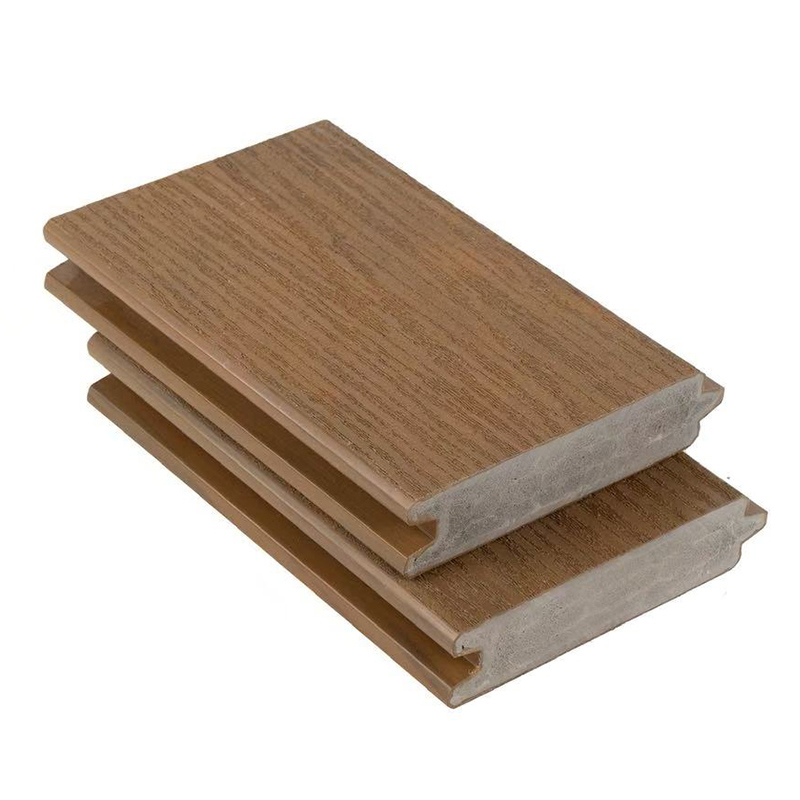
Outdoor laminate panel is engineered cladding and surfacing materials designed to perform in exterior environments. Unlike interior laminates, they are manufactured with dense core layers, weather-resistant resins, and protective surface treatments that withstand moisture, UV exposure, and temperature changes. Their purpose is not decorative alone; they act as a protective skin for buildings, furniture, and infrastructure exposed to the elements.
These panels are commonly used for façades, balcony partitions, exterior wall accents, outdoor cabinetry, and public installations. Their appeal lies in a balance between aesthetics, durability, and manageable maintenance requirements, making them suitable for both residential and commercial projects.
Material Composition and Manufacturing
Outdoor laminate panels are typically made from layers of kraft paper or fiber sheets impregnated with thermosetting resins. These layers are pressed under high pressure and temperature, creating a compact, non-porous structure. A decorative surface layer and a protective overlay are added to enhance resistance to wear and weathering.
Core Structure
The core is responsible for mechanical strength and dimensional stability. High-density construction limits water absorption and reduces the risk of warping, even when panels are exposed to rain or humidity for extended periods.
Surface Protection
The surface layer often includes UV-resistant coatings and melamine-based overlays. These protect the panel from color fading, surface cracking, and abrasion caused by wind-blown debris or frequent handling.
Performance in Outdoor Conditions
Performance is the primary reason outdoor laminate panels are specified. They are designed to handle environmental stress without compromising structural integrity or appearance. When correctly installed, they maintain consistent dimensions and surface quality across seasons.
- Moisture resistance prevents swelling and delamination.
- UV stability minimizes fading and surface degradation.
- Temperature tolerance supports use in hot and cold climates.
These characteristics make outdoor laminate panels reliable for long-term exterior use, provided that detailing and installation follow recommended practices.
Installation Considerations That Matter
Installation has a direct impact on the lifespan of outdoor laminate panels. Even high-quality panels can fail prematurely if movement, drainage, and ventilation are ignored. Installers should plan for expansion gaps and secure fixing methods appropriate to the panel thickness and application.
Fixing and Support
Panels are usually mounted on aluminum or treated timber subframes. Mechanical fixings or concealed fastening systems allow panels to move slightly with temperature changes, reducing internal stress.
Ventilation and Drainage
A ventilated cavity behind façade panels helps manage moisture. Proper drainage paths prevent water from being trapped, which is essential in rainy or coastal environments.
Maintenance and Long-Term Care
Outdoor laminate panels are often chosen for their low maintenance requirements. Routine cleaning with mild detergent and water is usually sufficient to remove dirt, pollution residue, and organic buildup. Abrasive cleaners should be avoided to preserve the protective surface layer.
Periodic inspection of fixings and joints helps identify early signs of movement or wear. Addressing small issues promptly can significantly extend service life without major repair work.
Common Applications and Practical Uses
Outdoor laminate panels are versatile and adaptable to many design contexts. Their consistent appearance and predictable performance make them suitable for both functional and decorative roles.
- Building façades and rainscreen systems
- Balcony screens and privacy partitions
- Outdoor furniture and cabinetry
- Public signage and architectural accents
Comparison With Other Exterior Panel Materials
Selecting the right exterior panel often involves comparing materials based on performance, cost, and maintenance. Outdoor laminate panels occupy a middle ground between natural materials and metal systems.
| Material | Durability | Maintenance | Design Flexibility |
| Outdoor Laminate Panel | High | Low | High |
| Wood Cladding | Medium | High | Medium |
| Metal Panels | Very High | Low | Low |
Environmental and Sustainability Factors
Many outdoor laminate panels are produced with sustainability in mind. Long service life reduces replacement frequency, and some manufacturers incorporate responsibly sourced paper fibers. Low maintenance also means fewer chemical treatments over time compared to natural wood.
When evaluating products, reviewing environmental certifications and lifecycle data can help align material choices with broader sustainability goals.
Key Points to Review Before Specification
Before selecting an outdoor laminate panel, it is useful to confirm performance criteria, installation requirements, and warranty conditions. This ensures the panel will meet project expectations without unnecessary complications.
Clear specifications and informed installation practices allow outdoor laminate panels to perform as intended, offering reliable protection and a consistent exterior appearance over many years.


