


 English
 中文简体
中文简体 عربى
عربى
Balancing Form and Function: How Grilles Facilitate Airflow
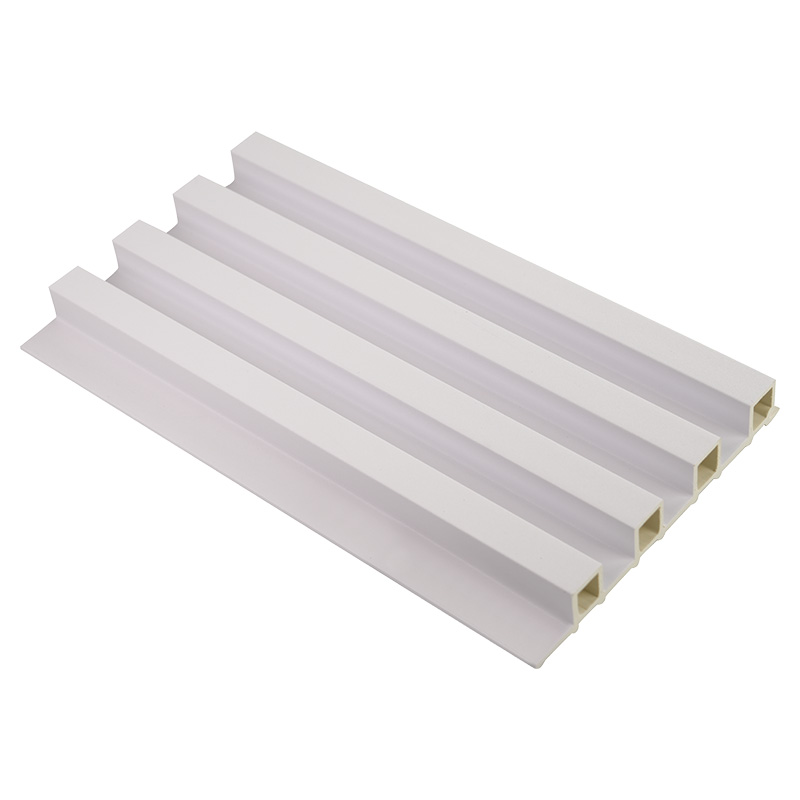
Interior Decorative Wall Grille is fundamentally architectural elements designed with intentional openings. Unlike a solid wall, their perforated or slatted structure inherently allows for the passage of air. This design is their primary functional advantage, transforming them from mere decorative panels into active components of a room's environmental system. The key lies in the Strategic Placement and Intentional Design of the grille. When installed over a functional air return, a transfer duct to balance pressure between rooms, or simply to vent an enclosed space like a cabinet or toe-kick, the grille creates a dedicated pathway for air to move. This planned movement is crucial for preventing stagnation, reducing moisture buildup, and contributing to a more consistent and comfortable indoor atmosphere. It's a purposeful integration of aesthetics with building science.
Key Factors That Determine Airflow Efficiency
Not all decorative grilles perform equally in terms of air circulation. Their effectiveness is governed by specific physical characteristics that must be considered during selection to ensure they meet both design and functional needs.
Material and Construction
The substance from which a grille is crafted impacts its application and durability in airflow scenarios. Metal grilles, typically steel or aluminum, offer very thin profiles and high structural strength, allowing for maximum open area and minimal airflow restriction. Wood and MDF grilles provide warmth but require careful design to maintain sufficient open space; thicker slats can create more turbulence. Synthetic materials like ABS or high-density polyurethane are often used for intricate laser-cut designs, where the pattern itself dictates the free area.
Open Area Percentage: The Critical Metric
This is the most important technical factor. Open Area Percentage refers to the total area of the holes or gaps in the grille compared to its overall face area. A higher percentage means less resistance to airflow.
- High Open Area (70%+): Ideal for primary HVAC return air vents or locations requiring minimal restriction. Often seen in simple, geometric metal patterns.
- Medium Open Area (40%-70%): Common for decorative wood grilles and more complex designs. Suitable for transfer grilles, laundry vents, or cabinet fronts where moderate airflow is sufficient.
- Low Open Area (Below 40%): Primarily decorative. Use in purely aesthetic applications or where only minimal, passive ventilation is needed, such as for a furniture accent.
Pattern and Louver Direction
The pattern (linear, radial, geometric) and the inclusion of fixed louvers affect how air passes through. Linear slats generally allow straight-through airflow. Louvered designs can be used to direct airflow in a specific direction or to shield the interior view. Intricate, dense patterns with small holes may catch more dust and require more frequent cleaning to maintain efficiency.
Practical Applications for Improved Air Movement
Understanding the theory translates into practical, constructive uses within the home. Here are specific scenarios where Interior Decorative Wall Grilles actively solve air circulation problems.
Enabling Room-to-Room Air Transfer
In modern, tight home construction, interior rooms like bedrooms or bathrooms often lack direct supply air vents. When a door is closed, negative pressure builds up, making it hard to heat or cool the room and causing doors to slam. A transfer grille installed in the wall or above the door, covered with a decorative panel, allows air to return to the central system, balancing pressure and improving comfort and HVAC efficiency.
Venting Enclosed Spaces
Cabinets housing electronics or routers, built-in shelving units, or kitchen toe-kicks can trap heat. A discreet decorative grille promotes passive cooling, preventing overheating and moisture accumulation that can lead to mold or mildew.
Enhancing Forced-Air HVAC Systems
A standard, stamped-metal HVAC return air vent can be an eyesore. Replacing it with a beautifully crafted decorative wall grille of equal or greater free area maintains the system's required air intake volume while seamlessly integrating with your décor. This is a direct upgrade in both form and function.
Comparison with Solid Walls and Standard Vents
The following table illustrates the functional differences between decorative grilles and common alternatives.
| Feature | Interior Decorative Wall Grille | Solid Wall / Panel | Standard Metal HVAC Vent |
| Airflow Capability | High to Moderate (Design-dependent) | None - Complete Barrier | Very High (Engineered for flow) |
| Primary Function | Decoration & Controlled Ventilation | Privacy, Structure, Decoration | Maximum Airflow, Minimal Aesthetics |
| Aesthetic Integration | Excellent - Designed as a décor feature | Excellent | Poor - Often visually intrusive |
| Best Use Case | Where design and air movement are both priorities | Where no air passage is desired | In closets, utility areas, or where looks don't matter |
Installation and Maintenance for Optimal Performance
To ensure your grille effectively aids air circulation, proper installation and care are essential. The grille must be mounted with a clear, unobstructed plenum space behind it. Never install it flush against insulation, drywall, or a solid backing, as this defeats its purpose. For HVAC applications, consulting with your HVAC contractor is advisable to ensure the grille's free area meets the system's CFM (Cubic Feet per Minute) requirements. Maintenance is straightforward but critical: regular vacuuming or dusting of the grille face prevents the accumulation of lint and debris that can progressively choke off airflow. For deeper cleaning, most metal and synthetic grilles can be wiped with a damp cloth, while wood grilles may require more delicate dry dusting.
The Verdict: A Qualified and Valuable Yes
Do Interior Decorative Wall Grilles help with air circulation? The answer is a definitive yes, but with important qualifications. They are not magic devices that create airflow on their own; rather, they are expertly designed conduits that enable and manage the passive or forced movement of air that already exists within your home's environment. By selecting a grille with an appropriate open area percentage, constructing a proper enclosure behind it, and placing it in a location that addresses a specific air pressure or ventilation need, you successfully marry sophisticated design with pragmatic building physics. The result is a more comfortable, healthy, and beautifully balanced living space.


