


 English
 中文简体
中文简体 عربى
عربى
Content
Your home’s entrance is more than just a point of entry; it’s a statement. It’s the first thing guests see and the last thing you pass as you leave, setting the tone for your entire home. In recent years, Wood Plastic Composite (WPC) door frames have surged in popularity, and for good reason. They offer a compelling blend of the warm, authentic aesthetic of wood with the rugged, low-maintenance durability of modern polymers.
However, “low-maintenance” is often mistakenly interpreted as “no-maintenance.” While WPC is undoubtedly resilient against the elements, pests, and rot, preserving its pristine beauty and structural integrity for decades requires a simple, consistent care routine. Neglect can lead to a buildup of grime, slight fading, or surface scratches that detract from its elegant appearance.
Understanding Your WPC Door Frame: The Why Behind the How
Before diving into the cleaning methods, it’s helpful to know what you’re working with. WPC is an engineered material made from a blend of wood fibers or flour and thermoplastics (like PVC or polyethylene), along with a small mix of bonding agents and stabilizers.
This hybrid composition gives WPC its superpowers:
Durability: It’s highly resistant to cracking, splintering, and warping, which are common issues with natural wood.
Moisture Resistance: Unlike wood, it won’t rot, swell, or succumb to insect infestation.
UV Stability: High-quality WPC is manufactured with UV inhibitors to prevent rapid fading and degradation from sunlight.
Color Consistency: The color isn’t just a surface stain; it’s permeated throughout the material, meaning small scratches are far less noticeable than on stained wood.
Knowing this tells us that our maintenance goals aren’t about preventing rot or structural failure, but rather about preserving the finish, preventing ground-in dirt, and maintaining the like-new luster of the material.
The Essential Toolkit: What You’ll Need
You don’t need expensive or specialized chemicals. In fact, harsh chemicals can do more harm than good. Your maintenance toolkit is likely already in your home:
Soft-bristled brush: A long-handled brush for sweeping away loose debris.
Soft cloths or sponges: Microfiber cloths are ideal as they are highly absorbent and non-abrasive.
Bucket of warm water: The primary cleaning agent for 90% of jobs.
Mild Detergent: A few drops of dish soap or a pH-neutral cleaner.
Garden hose with a spray nozzle (optional, for outdoor frames).
Isopropyl alcohol (for tackling stubborn stains like sap or grease).
Soft, dry towel for drying.
What to Avoid:
Abrasive tools: Steel wool, scouring pads, or stiff-bristled brushes can leave permanent scratches on the surface.
Harsh chemicals: Avoid solvents, acetone, strong acids (like muriatic acid), or alkaline cleaners (like strong degreasers). These can break down the plastic polymers and damage the UV-inhibiting topcoat.
Pressure washers: The high-pressure stream can be too intense and force water into areas it shouldn’t be, potentially compromising the seals and installation.
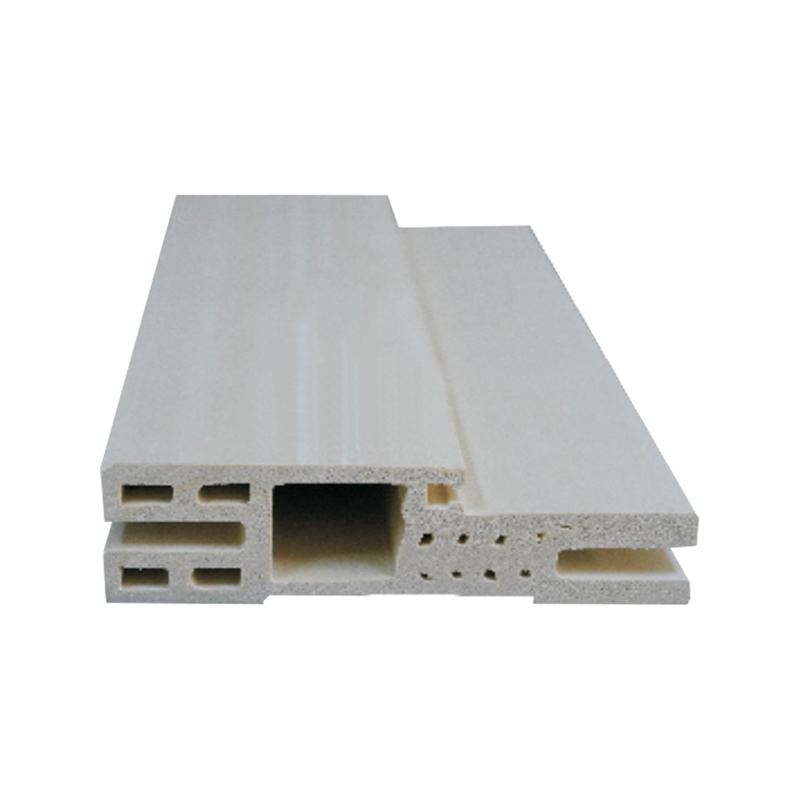
The Maintenance Routine: A Tiered Approach
Think of maintaining your WPC door frame in three tiers: daily/weekly, seasonal, and preventive care.
Tier 1: Regular Cleaning (Weekly or Bi-Weekly)
This is the most important step. Regular light cleaning prevents dirt, pollen, and organic matter from building up and becoming harder to remove later.
Dry Dusting/Brushing: Use a soft-bristled brush or a dry microfiber cloth to gently sweep away dust, cobwebs, loose dirt, and pollen from the frame’s surface, grooves, and corners.
Wash Down: Mix a bucket of warm water with a few drops of mild dish soap. Dip your soft cloth or sponge into the solution, wring it out well so it’s damp, not dripping wet.
Wipe Down: Gently wipe all surfaces of the door frame. Pay attention to areas that get touched frequently, like the handle area, and horizontal surfaces where dust settles.
Rinse (if needed): For exterior frames, you can use a garden hose on a gentle shower setting to rinse off the soapy residue. Ensure you are not directing a powerful stream directly at the seams or edges.
Dry: Use a soft, dry towel to wipe the frame down and eliminate water spots. Allowing it to air dry is also fine, but drying prevents any potential mineral deposits from hard water.
This simple 5-minute process is your first and best defense against grime.
Tier 2: Seasonal Deep Cleaning (Every 3-4 Months)
Depending on your local environment (e.g., near the ocean, in a dusty area, or with high pollen counts), a deeper clean may be necessary quarterly.
Follow steps 1-3 from the regular cleaning process.
For slightly tougher dirt, allow the soapy solution to sit on the surface for 5-10 minutes to loosen the grime before gently wiping and rinsing.
Addressing Stubborn Stains:
Sap, Grease, or Tar: Dampen a cloth with isopropyl alcohol and gently dab at the stain. Never rub aggressively. Rinse the area with clean water afterward.
Mold or Mildew: While WPC is resistant to mold, spores can land and grow on the surface, especially in shaded, damp climates. Create a solution of one part white vinegar to four parts warm water. Apply, let sit for a few minutes, scrub gently with a soft brush, and rinse thoroughly. For persistent mildew, a commercial cleaner specifically designed for WPC or vinyl is a safe bet.
Scuff Marks: A magic eraser (melamine foam) can be very effective on scuff marks. Use it gently with water and test on an inconspicuous area first, as it is a very mild abrasive.
Tier 3: Preventive Care and Checks
A little proactive attention goes a long way in preventing problems.
Manage the Surroundings: Trim back any bushes or vines that are touching or scraping against the door frame. This prevents abrasion and reduces the amount of organic debris (leaves, twigs) that collects.
Check Seals and Caulking: Periodically inspect the silicone sealant or caulking around the exterior of the frame. This sealant is the true barrier preventing water from getting behind the frame and into your wall structure. If you see cracks, gaps, or peeling, carefully remove the old caulk and apply a fresh bead of high-quality, exterior-grade silicone sealant.
Check Hardware: Tighten any loose screws on handles, knockers, or hinges. A loose hinge can cause misalignment, putting stress on the frame.
Floor Mat Strategy: Place a good quality mat both outside and inside the door. This catches the vast majority of dirt, grit, and moisture before it ever reaches your door frame threshold.
Addressing Specific Challenges
Fading: Even with UV inhibitors, all materials will experience some degree of fading over many years of direct sun exposure. This is usually very gradual and even. Using a patio awning or strategically placed landscaping can provide shade and significantly slow this process.
Scratches: Minor surface scratches are often barely visible due to the through-body color. For deeper scratches, some manufacturers offer touch-up kits or recommend using a matching color wax filler stick designed for composite materials.
Tough Stains (Paint, etc.): If you get paint on your WPC frame, let it dry completely. Often, you can gently pick it off with your fingernail without damaging the surface. For wet paint, wipe it up immediately with a damp cloth. Do not use paint thinners.
What Not to Do: The Golden Rules of WPC Care
Don’t Let Dirt Become Abrasive: Grit and sand are the enemies of the smooth surface. Regular cleaning prevents this grit from being ground in during opening and closing.
Don’t Assume It’s Invincible: While tough, it’s not impervious to sharp impacts or intentional abuse. Treat it with the same respect you would any other fine finish in your home.
Don’t Seal or Varnish: WPC does not require and will not benefit from additional sealants, varnishes, or wood stains. These products are designed for porous natural wood and will not properly adhere to the non-porous WPC surface, likely peeling and creating a mess.
Conclusion: An Investment in First Impressions
Choosing a WPC door frame was a smart investment in your home’s beauty, security, and efficiency. Protecting that investment requires minimal effort. There’s no need for back-breaking scrubbing or expensive professional cleaning services.
The mantra is simple: consistent, gentle care. A quick weekly wipe-down, a slightly more thorough seasonal clean, and an occasional check of the surrounding seals are all it takes to defy the years. This small routine ensures that your entryway continues to make a powerful, positive statement—a promise of the warmth and care that lies within your home. By following these straightforward steps, you can be confident that your WPC door frames will retain their elegant beauty and robust functionality for decades, standing strong and beautiful through sunshine, rain, and every season in between.


