


 English
 中文简体
中文简体 عربى
عربى
Content
Noise is a common concern in modern homes. Whether it comes from traffic, neighbors, or household activities, excessive sound can disrupt daily life, affect concentration, and even impact overall health. For homeowners seeking practical solutions to manage sound within living spaces, door panels play a surprisingly significant role. Among the various materials available, Wood-Plastic Composite (WPC) door panels have emerged as an effective option for reducing household noise.
Understanding Household Noise
Before exploring the benefits of WPC door panels, it is important to understand the sources and types of noise encountered in a home. Noise can be classified as either external or internal. External noise originates outside the home and includes traffic, construction, and loud neighbors. Internal noise, on the other hand, comes from within the house, such as conversations, television, kitchen appliances, and foot traffic. Both types can contribute to discomfort, stress, and difficulty in focusing.
Controlling noise typically involves managing how sound travels through walls, floors, windows, and doors. While walls and windows are often the first considerations, doors are a critical point where sound can easily pass. Poorly insulated or thin doors allow noise to travel between rooms, reducing privacy and comfort.
What Are WPC Door Panels?
WPC door panels are manufactured using a combination of wood fibers and thermoplastics. This blend creates a material that combines the aesthetic appeal of wood with the durability and low maintenance of plastic. Unlike traditional wooden doors, WPC doors are resistant to warping, termites, and moisture. They are available in various designs, colors, and finishes, making them suitable for both residential and commercial interiors.
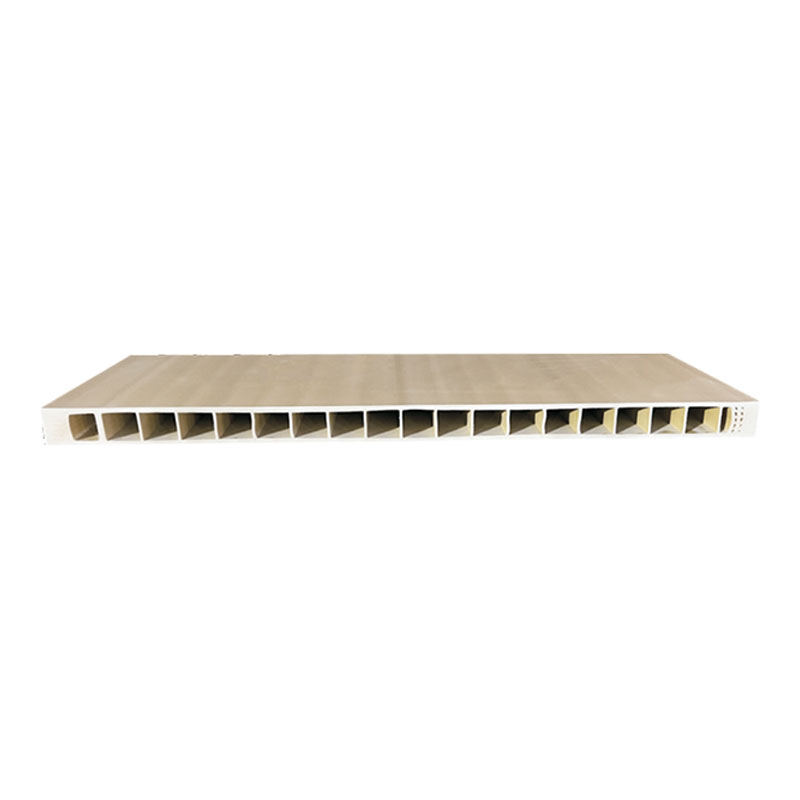
The unique structure of WPC contributes to its soundproofing qualities. The density and composition of the material help absorb sound waves rather than allowing them to pass through. This property makes WPC doors particularly effective at minimizing household noise.
How WPC Door Panels Reduce Noise
There are several ways WPC door panels contribute to noise reduction in a home:
1. Material Density
Sound travels more easily through lightweight or hollow materials. Traditional hollow wooden doors, while economical, do little to block sound. In contrast, WPC doors are denser due to their composite structure. This density creates a barrier that significantly reduces the transmission of sound between rooms.
2. Structural Design
Many WPC door panels are designed with multiple layers or honeycomb cores. These structural features create air pockets and sound traps that dampen vibrations. The result is less noise transfer through the door, even when internal or external sources are loud.
3. Tight Sealing
Proper installation of WPC doors ensures a snug fit within the door frame. Tight seals along the edges prevent sound from leaking through gaps. In addition, combining WPC doors with weatherstrips or acoustic seals can further enhance noise reduction, creating a quiet and comfortable indoor environment.
4. Resistance to Environmental Changes
WPC doors are highly resistant to moisture, humidity, and temperature fluctuations. Traditional wooden doors can warp or shrink over time, creating gaps that allow sound to pass through. WPC doors maintain their shape, ensuring consistent performance in reducing noise.
5. Compatibility with Soundproofing Accessories
WPC doors can be paired with additional soundproofing measures for enhanced results. For example, installing acoustic door sweeps, seals, or panels alongside WPC doors can further minimize sound transmission. Their stable structure makes them suitable for such integrations without compromising the door’s integrity.
Benefits of Noise Reduction with WPC Door Panels
Using WPC doors for sound control offers multiple advantages beyond just quieter rooms.
1. Improved Privacy
Reduced noise transmission ensures conversations and activities in one room do not disturb other areas. This is particularly valuable in multi-generational homes or apartments where privacy is essential.
2. Better Sleep and Relaxation
Excessive noise can interfere with sleep quality. Installing WPC door panels in bedrooms or resting areas helps create a peaceful environment, promoting better rest and relaxation.
3. Enhanced Focus and Productivity
For those working or studying from home, noise can be a significant distraction. WPC doors can help create quiet workspaces where concentration and productivity are improved.
4. Long-Term Cost Effectiveness
Although WPC doors may have a higher upfront cost than some traditional doors, their durability and low maintenance make them a cost-effective investment over time. They retain their shape, resist pests, and do not require frequent refinishing, all while maintaining noise reduction capabilities.
5. Aesthetic Flexibility
WPC door panels are available in various finishes and styles that resemble natural wood. Homeowners can enjoy both functional and aesthetic benefits without compromising the interior design.
Applications of WPC Door Panels for Noise Reduction
WPC door panels are versatile and suitable for different areas in a home:
Bedrooms: Installing WPC doors ensures a quiet and restful environment.
Home Offices: WPC doors help minimize distractions, creating a professional workspace.
Bathrooms: Their resistance to moisture and soundproofing properties make WPC doors ideal for bathrooms.
Living Areas: Separating living rooms from hallways or kitchens can reduce ambient noise and enhance comfort.
Apartments and Shared Spaces: WPC doors can be especially useful in multi-unit buildings where noise from neighbors is common.
Tips for Maximizing Noise Reduction
To fully leverage the soundproofing potential of WPC door panels, consider the following tips:
Ensure Proper Installation: Gaps between the door and frame can reduce effectiveness. Professional installation is recommended.
Use Acoustic Seals: Adding seals or weatherstrips along the door edges can significantly improve sound insulation.
Combine with Other Soundproofing Measures: Thick curtains, rugs, and wall panels can complement WPC doors in reducing noise.
Choose Solid-Core WPC Doors: Solid-core designs provide better soundproofing than hollow-core alternatives.
Maintain Door Integrity: Keep hinges tight and the door aligned to avoid gaps that may allow sound leakage.
Conclusion
WPC door panels offer a practical and effective solution for reducing household noise. Their dense material, structural design, and resistance to environmental changes make them superior to traditional doors in blocking sound. By improving privacy, enhancing sleep quality, and creating quiet spaces for work or relaxation, WPC doors contribute significantly to the comfort and functionality of modern homes.
When combined with proper installation and additional soundproofing measures, WPC door panels can be an essential component in creating a peaceful, noise-controlled living environment. Homeowners seeking long-term solutions for noise management will find WPC doors to be a reliable, durable, and aesthetically pleasing choice.


