


 English
 中文简体
中文简体 عربى
عربى
Content
Outdoor laminate panel is widely used in modern construction for cladding, facades, fencing, and other exterior applications. Their appeal lies in durability, versatility, and aesthetic flexibility. However, one common question among homeowners, architects, and builders is whether these panels can withstand heavy rain or humid environments. Understanding their composition, installation methods, and maintenance requirements is essential to answer this question accurately.
Understanding Outdoor Laminate Panels
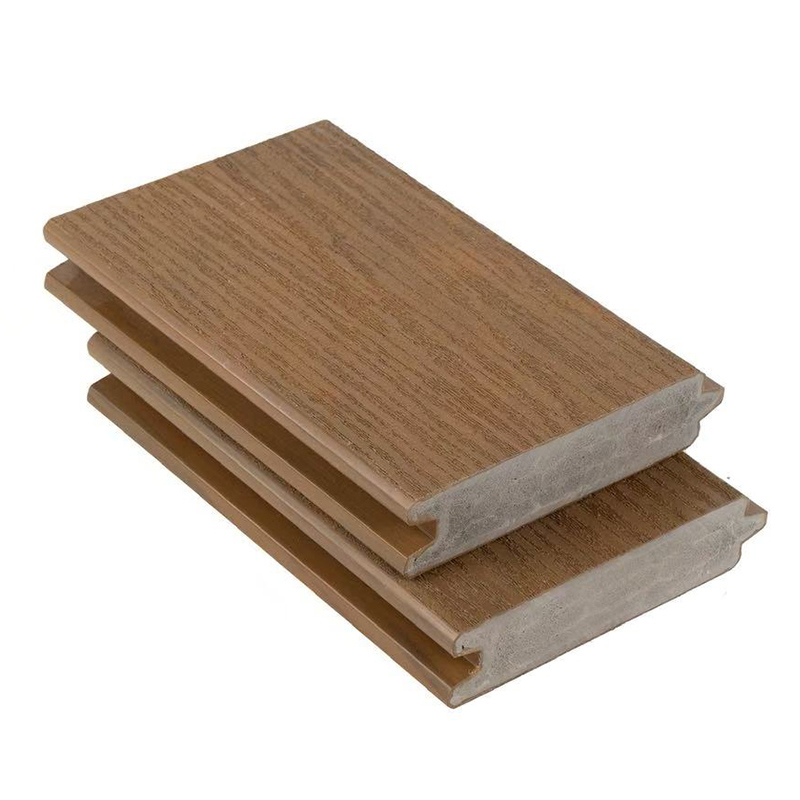
Outdoor laminate panels are engineered materials made by compressing layers of cellulose fibers, resins, and decorative layers under high pressure. These panels are often coated with protective layers to improve resistance to moisture, UV rays, and mechanical wear. Unlike standard interior laminate panels, outdoor versions are specifically designed to cope with environmental challenges.
Key Properties Relevant to Rain and Humidity
-
Moisture Resistance: High-quality outdoor laminate panels are treated with water-repellent resins that prevent water absorption. This is critical in areas with heavy rainfall or high humidity.
-
Dimensional Stability: Exposure to moisture can cause some materials to warp, swell, or delaminate. Outdoor laminate panels are engineered to remain stable under varying humidity levels, minimizing structural deformation.
-
UV and Weather Resistance: Many panels are coated to resist fading and degradation due to sunlight. While this does not directly impact rain resistance, it ensures the panels remain durable in outdoor conditions.
How Heavy Rain Affects Laminate Panels
Heavy rainfall can challenge exterior materials in several ways:
- Surface Water Accumulation: If water pools on flat or poorly installed panels, prolonged exposure can compromise the protective coating. Proper sloping and drainage are essential.
- Seam Leakage: Panels joined without adequate sealing may allow water to seep in. Installing panels with tight, water-resistant seams reduces this risk.
- Impact from Debris: Rain often carries wind-driven debris that can scratch or damage panels. Selecting scratch-resistant finishes can mitigate wear.
When correctly manufactured and installed, outdoor laminate panels can handle rain effectively. Water tends to run off the surface rather than penetrate the core, preventing swelling or warping.
How Humidity Impacts Laminate Panels
High humidity can gradually affect any exterior material. For laminate panels, the impact depends on the quality of the resins and protective coatings:
- Dimensional Changes: Lower-quality panels may absorb moisture, leading to slight expansion. Consistent exposure to very humid conditions without ventilation may accelerate deterioration.
- Mold and Mildew Risk: Outdoor laminate panels are generally less prone to mold than wood, but standing moisture around edges or seams can encourage microbial growth. Good installation practices and regular cleaning help prevent this.
In climates with persistent humidity, selecting panels specifically rated for outdoor use is crucial. Panels labeled for exterior applications typically undergo rigorous testing for moisture resistance.
Installation Considerations
Even the most water-resistant panel can fail if installed improperly. Key considerations include:
- Proper Ventilation: Allowing airflow behind panels reduces trapped moisture, limiting the risk of warping or mildew.
- Sealing Edges and Joints: Using water-resistant sealants on seams, edges, and cut surfaces enhances protection against rain and humidity.
- Slope and Drainage: Installing panels with a slight tilt helps water run off quickly, preventing pooling.
- Regular Inspection: Checking for damaged seals, scratches, or discoloration ensures panels maintain their protective properties over time.
Maintenance Tips for Longevity
Maintaining outdoor laminate panels is relatively straightforward, but it is essential in rainy or humid climates:
- Cleaning: Use a mild detergent and soft brush or cloth to remove dirt and prevent mold growth. Avoid abrasive cleaners that could damage the surface.
- Sealant Check: Periodically inspect and replace sealants to maintain water resistance.
- Damage Repair: Address scratches, chips, or cracks promptly to prevent moisture penetration.
Routine maintenance ensures the panels remain visually appealing and structurally sound for years, even under challenging environmental conditions.
Limitations to Consider
While outdoor laminate panels are highly resistant, they are not indestructible. Prolonged exposure to extreme water pressure, standing water, or very high humidity without ventilation can eventually compromise even high-quality panels. Additionally, panels with low-quality resins or finishes may show signs of swelling or fading faster.
For environments with persistent heavy rain or extremely humid conditions, consulting with a professional installer or selecting panels with the highest moisture and humidity ratings is advisable.
Conclusion
Outdoor laminate panels can withstand heavy rain and humidity when they are properly manufactured, installed, and maintained. Key factors include moisture-resistant resins, protective coatings, ventilation, and careful installation practices. While no material is completely impervious to extreme conditions, outdoor laminate panels offer a durable, low-maintenance solution for facades, cladding, and other exterior applications.
By choosing quality panels and following recommended installation and maintenance practices, homeowners and builders can ensure long-lasting performance, even in areas with challenging weather conditions.


