


 English
 中文简体
中文简体 عربى
عربى
Content
Gone are the days when wall paneling evoked images of dark, dated 1970s rec rooms. Today, indoor wall paneling is one of the most dynamic and sought-after trends in interior design. It’s a powerful tool for adding texture, depth, and character to any space, transforming flat, boring walls into captivating focal points. Whether you’re a seasoned DIY enthusiast or a homeowner looking for a impactful update.
Why Choose Wall Paneling?
Before diving into styles, it’s important to understand the benefits beyond pure aesthetics.
- Adds Texture and Dimension: Paneling breaks up large, flat surfaces, creating visual interest that paint or wallpaper alone often can’t achieve.
- Improves Acoustics: Certain types of paneling, especially thicker wood varieties, can help absorb sound, reducing echo and creating a quieter, more comfortable room.
- Hides Imperfections: Is your wall uneven or has minor cracks? Paneling is a fantastic way to conceal flaws without the costly and messy process of re-drywalling.
- Insulates Your Home: While not a primary insulator, paneling adds an extra layer to your walls, which can provide a slight improvement in thermal efficiency.
- Increases Property Value: A well-executed paneling project can significantly boost the perceived value and charm of your home.
Popular Materials for Modern Wall Paneling
The material you choose will dictate the room’s final look, feel, and budget.
-
Wood Paneling: The classic choice. This category is vast, including:
- Shiplap: Characterized by its distinctive horizontal grooves, shiplap adds a rustic, farmhouse, or coastal charm. It’s incredibly popular for accent walls.
- Beadboard: Featuring vertical planks with a signature “bead” detail, this style is perfect for creating a classic, cottage-like feel. It’s traditionally used for wainscoting (paneling on the lower half of a wall).
- Board and Batten: This style uses wide boards with narrower strips (battens) covering the seams. It creates a structured, geometric look that works well in both traditional and modern homes.
- Reclaimed Wood: For a truly unique and eco-friendly option, reclaimed wood offers unmatched character with its natural weathering, knots, and variations in color.
-
MDF (Medium-Density Fiberboard) Panels: A top choice for DIYers. MDF panels are engineered wood that is smooth, uniform, and free of knots. They are easy to cut, paint seamlessly, and are generally more affordable than solid wood. Many modern wall panel designs, like fluted or geometric patterns, are made from MDF.
-
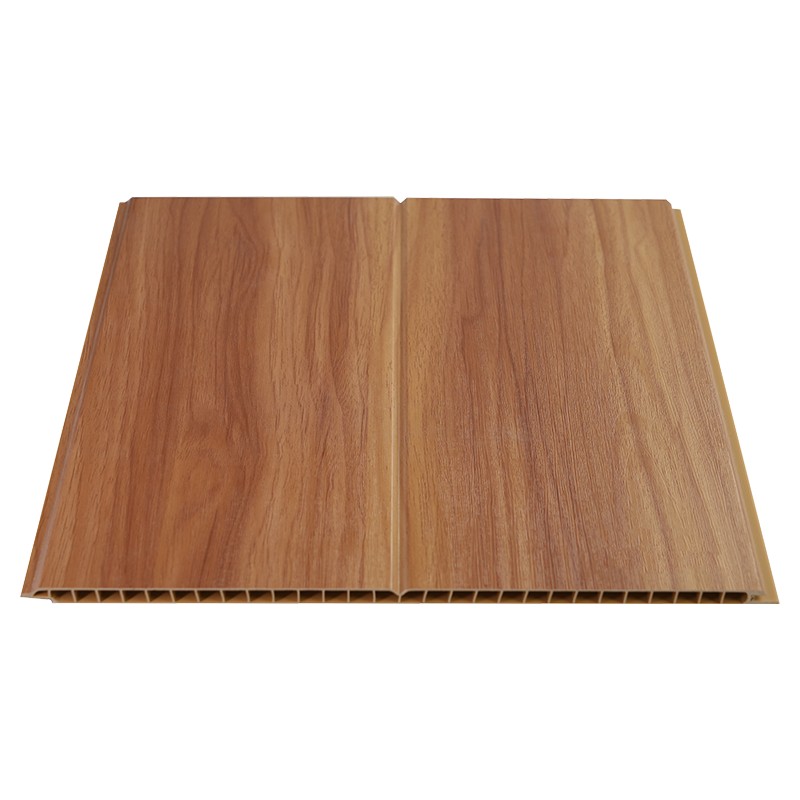
PVC and Vinyl Paneling: Excellent for high-moisture areas like bathrooms, kitchens, and basements. These panels are waterproof, easy to wipe clean, and resistant to mold and mildew. Modern versions convincingly mimic the look of wood or tile.
-
3D Wall Panels: For a truly dramatic statement, 3D panels made from materials like MDF, PVC, or even fabric-infused gypsum create incredible texture and play with light and shadow. They are ideal for a single feature wall in a living room or bedroom.
Choosing the Right Style for Your Room
The best paneling complements your existing décor and the room’s purpose.
- Living Room: Create a stunning accent wall behind your sofa or television. A large-format geometric panel or warm wood shiplap can instantly become the room’s centerpiece.
- Bedroom: Install paneling behind the headboard to frame your bed. Floor-to-ceiling vertical paneling can also make the room feel taller and more serene.
- Dining Room: Elegant wainscoting or board and batten adds a formal, refined touch that protects walls from chair backs.
- Hallway: Prevent scuff marks and add interest with durable wainscoting that runs along the corridor.
- Bathroom: Use moisture-resistant PVC beadboard or shiplap to give your bathroom a cozy, spa-like atmosphere without worrying about water damage.
- Kitchen: Use paneling as a stylish backsplash alternative or to add character to a kitchen island.
DIY Installation: A Basic Guide
Many paneling projects are within reach for a confident DIYer. Here’s a simplified overview.
Tools You’ll Likely Need:
- Measuring Tape
- Level
- Pencil
- Saw (a miter saw is ideal for clean angles)
- Stud Finder
- Adhesive (Liquid Nails type)
- Nail Gun and Finishing Nails
- Caulk and Painter’s Putty
Key Steps:
- Preparation is Key: Remove any outlet covers, light switch plates, and trim. Ensure your wall is clean, dry, and structurally sound. Locate and mark your wall studs; this is where you will nail the panels for a secure hold.
- Plan Your Layout: This is the most critical step. Decide on your pattern and measure carefully. For horizontal styles like shiplap, start from the bottom. For vertical styles, find the center of your wall and work outwards to ensure it’s symmetrical.
- Cut and Install: Measure each piece individually before cutting, as walls can be slightly uneven. Apply a generous amount of construction adhesive to the back of the panel. Press it firmly onto the wall, check for level, and then secure it into the wall studs with finishing nails.
- Finishing Touches: Fill all nail holes with painter’s putty. Run a thin bead of caulk along the top, bottom, and sides where the paneling meets the wall or trim. This creates a seamless, built-in look. Once caulk is dry, sand lightly if needed, then prime and paint or stain as desired.
Maintenance and Care
Maintaining your wall paneling is straightforward. For painted MDF or wood, simply dust regularly and wipe with a damp cloth. For natural wood, dusting and occasionally polishing with a wood-specific cleaner will maintain its luster. In bathrooms, a quick wipe-down is all that’s needed to keep PVC panels looking new.
Indoor wall paneling is a versatile and rewarding design choice that offers endless possibilities. By understanding the materials, styles, and basic installation process, you can confidently add this beautiful feature to your home, creating a space that is uniquely yours and full of character.


