


 English
 中文简体
中文简体 عربى
عربى
Content
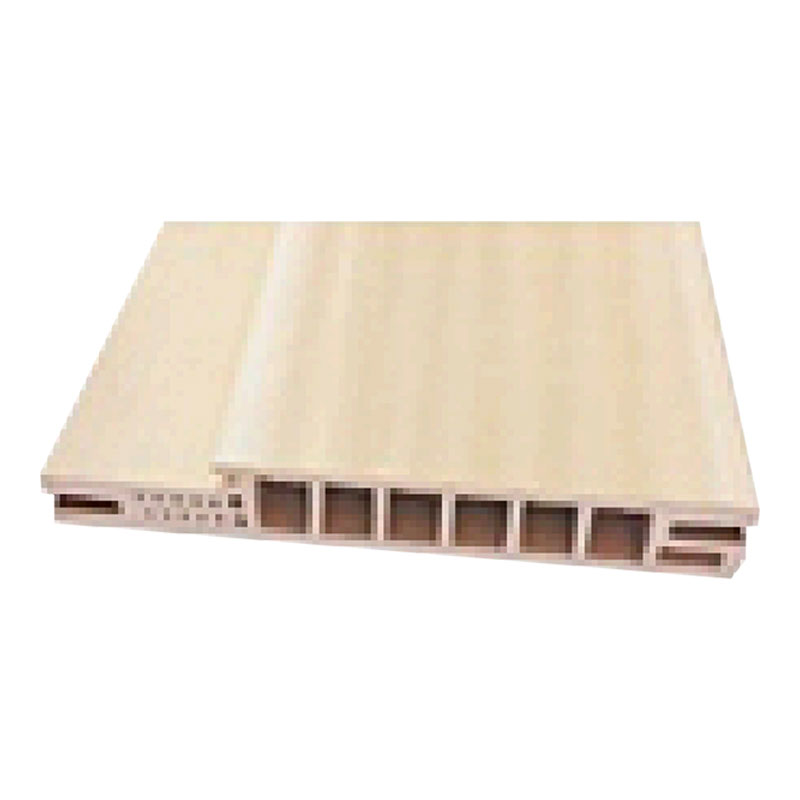
Door frames play a crucial role in the structure, stability, and aesthetic appeal of doors in both residential and commercial buildings. Traditional wooden door frames have been widely used for centuries, but they are prone to problems such as warping, swelling, and shrinking when exposed to changes in moisture and temperature. These issues can affect door alignment, operation, and longevity. In recent years, Wood Plastic Composite, or WPC, has emerged as a popular material for door frames. WPC door frame is designed to resist warping and swelling, providing a more durable and reliable alternative to conventional wood.
Understanding Warping and Swelling
Before discussing WPC door frames, it is important to understand why traditional wood frames warp or swell. Wood is a natural material composed of cellulose fibers, lignin, and water. When wood absorbs moisture from the surrounding environment, it expands. Conversely, when it loses moisture, it contracts. These changes in size and shape can cause warping, twisting, bowing, or swelling of door frames. Warped or swollen door frames may result in doors that do not close properly, gaps that allow air and water infiltration, or even structural damage over time.
Environmental factors such as high humidity, direct exposure to rain, sudden temperature changes, or proximity to water sources exacerbate the problem. Even high-quality timber can experience dimensional instability if not properly treated or maintained. This is where WPC door frames offer a significant advantage.
What is WPC?
Wood Plastic Composite is a hybrid material made by combining wood fibers or wood flour with thermoplastic resins such as polyethylene, polypropylene, or polyvinyl chloride. The resulting material integrates the natural look and feel of wood with the durability and water resistance of plastic. WPC is manufactured through processes such as extrusion or compression molding, which ensure uniform density and consistent performance.
The combination of wood and plastic in WPC results in a material that retains some of the aesthetic qualities of wood, such as texture and color, while minimizing the weaknesses associated with natural wood. The plastic component provides moisture resistance and structural stability, while the wood fibers add strength and rigidity.
How WPC Door Frames Resist Warping
-
Moisture Resistance
One of the primary reasons WPC door frames resist warping is their inherent resistance to moisture. The plastic matrix in WPC forms a barrier that prevents water from penetrating the material. Unlike natural wood, WPC does not absorb moisture to a significant extent, which means it does not expand or contract dramatically in response to changes in humidity. This property is particularly important in regions with high humidity or frequent rainfall, where traditional wood frames would be prone to swelling and deformation. -
Dimensional Stability
WPC door frames maintain their shape because of their composite structure. The thermoplastic matrix evenly distributes stresses across the material, reducing localized expansion or contraction. Additionally, the manufacturing process ensures uniform density and eliminates weak points that can lead to warping. As a result, WPC door frames retain their original dimensions over time, providing a stable framework for doors. -
Resistance to Temperature Changes
WPC door frames are less affected by temperature fluctuations compared to solid wood. Extreme heat or cold can cause wood fibers to expand or contract, contributing to warping. WPC, on the other hand, has a lower coefficient of thermal expansion, meaning it does not deform as easily with temperature changes. This makes WPC door frames suitable for areas exposed to direct sunlight or varying climatic conditions. -
Protection Against Fungal and Insect Damage
Warping and swelling in wooden door frames can be accelerated by fungal growth or insect infestation. WPC is resistant to termites, fungi, and decay because the plastic component is not a food source for these organisms. By preventing biological degradation, WPC maintains its structural integrity and reduces the risk of warping over time. -
Consistent Manufacturing Quality
The extrusion and molding processes used to produce WPC door frames ensure consistent material properties. Each frame is manufactured to precise specifications, which eliminates irregularities that could lead to warping. Unlike wood, which can have knots, grain inconsistencies, and other natural defects, WPC provides uniform performance and predictable behavior under stress.
How WPC Door Frames Resist Swelling
-
Water Repellency
Swelling occurs when wood absorbs water and expands. WPC door frames repel water due to the hydrophobic nature of the plastic component. Even when exposed to rain, condensation, or occasional splashes, WPC frames maintain their size and shape. This property is especially beneficial for exterior doors, bathroom doors, or kitchen doors where water exposure is common. -
Seamless Construction
WPC door frames are often manufactured as single, solid pieces or tightly joined components, which reduces the number of joints or gaps where water could infiltrate. Traditional wood frames may have glued or nailed joints that can allow moisture penetration, leading to localized swelling. The seamless construction of WPC minimizes these weak points. -
Low Water Absorption Rate
Studies show that WPC materials absorb significantly less water than natural wood. This low absorption rate prevents internal pressure buildup within the frame, which is a primary cause of swelling. Even when used in high-moisture environments, WPC frames remain dimensionally stable. -
Surface Treatments and Additives
Many WPC door frames include additives such as UV stabilizers, coupling agents, or waxes that enhance water resistance. These additives improve the bonding between wood fibers and plastic, preventing gaps or microchannels that could allow water penetration. Surface treatments further protect the frame from water-related swelling and help maintain a smooth appearance.
Practical Considerations for WPC Door Frames
-
Installation
Proper installation is important to ensure that WPC door frames perform as intended. Frames should be level, plumb, and securely anchored to the wall. Although WPC is stable, improper installation or uneven support can lead to stress points that may compromise the frame. -
Compatibility with Doors
WPC door frames can support various door types, including wooden, metal, and composite doors. They provide a stable mounting surface that prevents misalignment caused by warping or swelling. This makes them suitable for both interior and exterior applications. -
Maintenance
One of the advantages of WPC door frames is low maintenance. Unlike wood, they do not require frequent sanding, sealing, or painting to prevent moisture damage. Regular cleaning with mild detergent and water is usually sufficient to maintain their appearance and functionality. -
Aesthetic Options
WPC door frames are available in different colors, textures, and finishes, allowing them to match a wide range of architectural styles. The frames can mimic the look of real wood without the associated problems of warping and swelling, providing both durability and aesthetic appeal.
Advantages Over Traditional Wood Frames
Compared to traditional wood door frames, WPC frames offer several advantages:
- Longer Lifespan: Reduced risk of warping and swelling extends the functional life of doors.
- Lower Maintenance: No need for periodic sealing, painting, or treatment against moisture.
- Environmental Resistance: Better performance in humid, rainy, or coastal areas.
- Structural Stability: Maintains alignment and integrity under stress, supporting smooth door operation.
- Insect Resistance: Not susceptible to termites or wood-boring insects.
These advantages make WPC door frames a reliable choice for both modern and traditional buildings.
Conclusion
Warping and swelling have long been challenges associated with traditional wooden door frames, especially in environments with high humidity, fluctuating temperatures, or exposure to water. WPC door frames address these issues through a combination of moisture resistance, dimensional stability, temperature resilience, and protection against biological degradation. The composite structure of wood fibers and plastic provides the strength of wood without its vulnerability to environmental factors. With proper installation and minimal maintenance, WPC door frames offer a long-lasting and reliable solution for doors that maintain their shape, functionality, and aesthetic appeal over time.
For builders, architects, and homeowners seeking durable alternatives to wood, WPC door frames represent an investment in stability, performance, and ease of use, providing peace of mind that doors will remain aligned and operational without warping or swelling.


