


 English
 中文简体
中文简体 عربى
عربى
Content
Indoor wall paneling adds character and warmth to a room, but it can also be a magnet for dust, grease, and grime. The fear of damaging its finish often leaves homeowners wondering how to properly care for it. The good news is that with the right approach, you can effectively clean your paneling and restore its appearance without causing harm. The key is understanding your paneling’s material and finish and then using gentle, methodical techniques.
First Step: Identify Your Paneling Type and Finish
Before you touch a sponge, it’s crucial to identify what you’re cleaning. Using the wrong method on the wrong surface is the fastest way to cause damage. There are three common types of indoor wall paneling:
-
Real Wood Paneling: This can be solid wood or a wood veneer. It is almost always sealed with a protective coat, which can be:
- Varnish or Polyurethane: Creates a hard, glossy, or satin shield.
- Paint: A solid color coat that covers the wood grain.
- Stain & Sealant: Enhances the wood grain while providing protection.
- Unfinished or Oiled: Less common indoors, this has a more natural, porous feel.
-
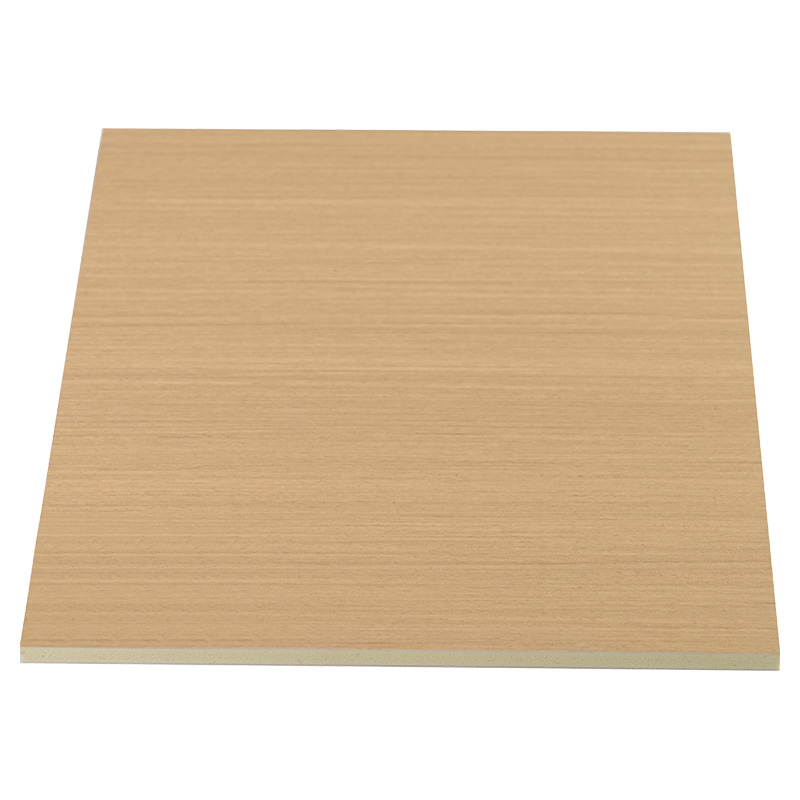
Laminate or Melamine Paneling: This is a synthetic material designed to look like wood, stone, or a solid color. It’s non-porous and very durable, making it common in kitchens, bathrooms, and modern homes.
-
Vinyl Paneling: Similar to laminate, it’s a plastic-based material that is moisture-resistant and often used in areas prone to splashes.
How to Test: In an inconspicuous spot (like behind a piece of furniture), dab a cotton ball with a small amount of water, then with a mild detergent solution. If the water or solution beads up, you have a sealed or synthetic surface. If it soaks in and darkens the wood, it is likely unfinished or the sealant has worn off. For painted surfaces, note if the paint is glossy or matte.
Gathering Your Gentle Cleaning Arsenal
You don’t need harsh chemicals. Most cleaning can be accomplished with a few basic, non-abrasive supplies:
- Soft Microfiber Cloths: These are essential for dusting and wiping without scratching.
- Soft-Bristled Brush: A clean paintbrush or a soft-bristled cleaning brush is perfect for getting dust out of grooves.
- Vacuum Cleaner with a Brush Attachment: For initial dust removal.
- Mild Dish Soap: A phosphate-free, gentle dish soap is an excellent all-purpose cleaner.
- White Vinegar: A natural degreaser and deodorizer.
- Distilled Water: Prevents mineral deposits from tap water from streaking the surface.
- Two Buckets: For the “two-bucket method” to keep your cleaning solution clean.
- Olive Oil or Mineral Oil: For a natural polish on wood (use sparingly).
The Step-by-Step Cleaning Process
Follow these steps in order for the safest and most effective clean.
1. The Dry Dusting Phase
Never skip this step. Rubbing a damp cloth over a dusty surface creates a muddy, abrasive paste that can scratch the finish.
- Start High, Work Low: Begin at the top of the wall and work your way down. This allows falling dust to be captured lower on the wall.
- Use Your Vacuum: Gently run the soft brush attachment over the entire surface of the paneling, paying close attention to the grooves and decorative details.
- Follow with a Brush and Cloth: Use the soft-bristled brush to dislodge any stubborn dust from the grooves, and then wipe the entire surface with a dry microfiber cloth.
2. Preparing and Applying the Cleaning Solution
For most sealed wood, laminate, and vinyl paneling, a mild soap solution is perfect.
- The Solution: In a bucket, mix one gallon of warm (not hot) distilled water with a few drops of mild dish soap. Swirl to combine; avoid creating excessive suds.
- The Two-Bucket Method: Fill a second bucket with clean rinse water. This is critical. It ensures you are not just spreading dirty water back onto your walls.
- The Technique:
- Dip a microfiber cloth into the soapy solution and wring it out until it is only damp—not dripping wet.
- Wipe the paneling in small sections, following the direction of the wood grain if visible. Scrubbing in circles can leave swirl marks.
- For grooves, wrap a damp cloth over a flat-edged tool (like a butter knife) to get into the crevices, or use a cotton swab for very fine details.
- Rinsing Immediately: Before moving to the next section, take a clean cloth, dip it in the rinse water, wring it well, and wipe the same area to remove any soapy residue. Soap residue left on the surface can attract more dust and create a dull film.
3. Addressing Stubborn Grime and Grease
For spots that the soap solution doesn’t lift, you need a slightly stronger approach.
- Vinegar Solution Mix: Combine one part white vinegar with three parts distilled water. The mild acidity helps cut through grease and hard water spots.
- Spot Test First: Always test this on a hidden area to ensure it doesn’t affect the finish.
- Apply Sparingly: Dampen a cloth with the vinegar solution, wring it out thoroughly, and gently dab or wipe the greasy area. Rinse immediately with a clean, water-dampened cloth.
Special Considerations and Problem Areas
- For Painted Paneling: Use the same gentle soap and water method. Be extra cautious with moisture, as water seeping into cracks can cause the paint to bubble. Always wring your cloth out well.
- For Unfinished or Oiled Wood: This is the most delicate. Use a barely-damp cloth with only water or a cleaner specifically formulated for unfinished wood. Never use vinegar or soap, as they can damage the wood. Dry the area immediately and thoroughly.
- Removing Scuff Marks: A magic eraser (melamine foam) can be very effective, but it is mildly abrasive. Use it as a last resort and test it in an unseen spot first, using very light pressure.
What to Absolutely Avoid
To prevent irreversible damage, steer clear of these common mistakes:
- No Abrasive Tools: Avoid steel wool, harsh scrub pads, or stiff-bristled brushes.
- No Harsh Chemicals: Do not use bleach, ammonia, abrasive cleansers, or oven cleaner on wood paneling. They will strip the finish and damage the wood.
- Minimize Moisture: Never spray cleaner directly onto the wall. Over-wetting can cause wood to swell, warp, or can lead to mold and mildew growth behind the panels.
- No Wax or Silicone-Based Polishes: Unless recommended for your specific finish, these can create a sticky, difficult-to-clean buildup over time.
Drying and a Final Touch
After you have cleaned and rinsed a section, take a fresh, dry microfiber cloth and buff the area dry. This prevents water spots and ensures no moisture is left sitting on the surface.
For real wood paneling that looks a little dull after cleaning, you can add a beautiful luster with a natural polish. Mix two parts olive oil with one part lemon juice or white vinegar. Apply a tiny amount to a cloth and buff it into the wood. This adds a gentle shine and helps condition the wood. Remember: less is more.
Conclusion: Consistency is Key
The best way to keep your wall paneling looking beautiful is with regular, gentle maintenance. A quick dry dusting every few weeks will prevent the buildup that requires a deep clean. By understanding your paneling, using the right tools, and respecting its finishes, you can confidently maintain its charm and integrity for the long haul. It’s not a difficult task—it’s simply a mindful one.


