


 English
 中文简体
中文简体 عربى
عربى
Content
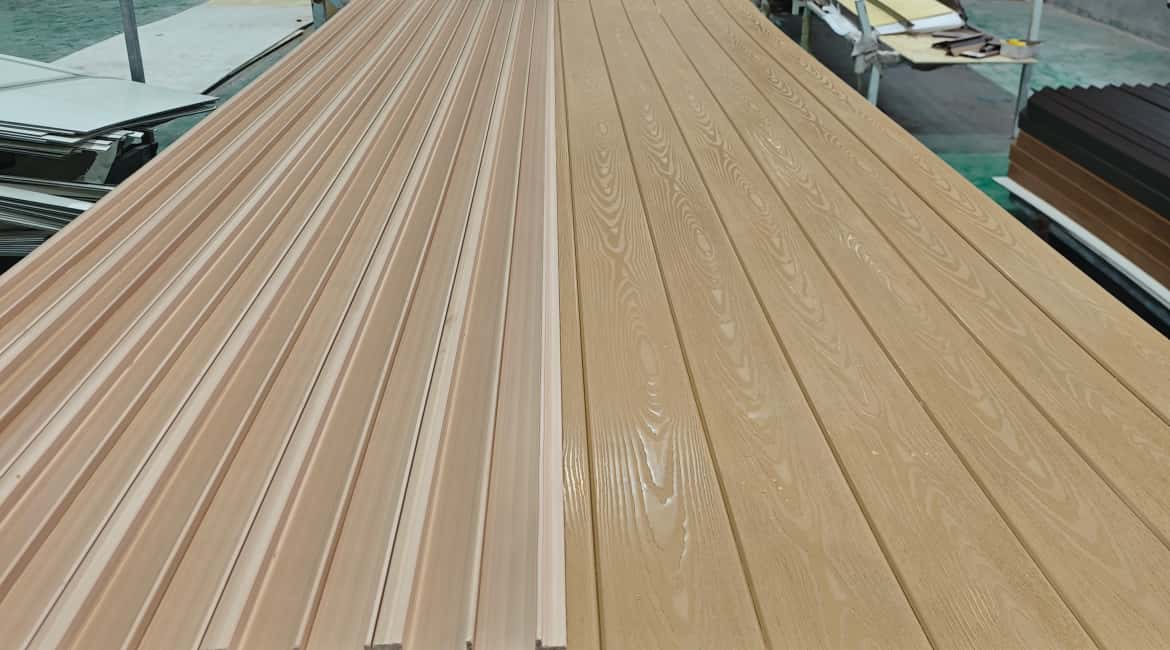
If you've ever looked at exterior cladding materials, you've probably seen the terms "siding" and "cladding"—they're sometimes used interchangeably, and sometimes they seem like completely different things. So, which one really means what they mean? They're related, but not the same. siding is applied directly to the exterior walls of a house, while cladding consists of multiple layers of material separated from the walls by joists. Understanding the differences between the two will help you choose the right system based on your house's performance, budget, and aesthetic needs.
What Is Siding?
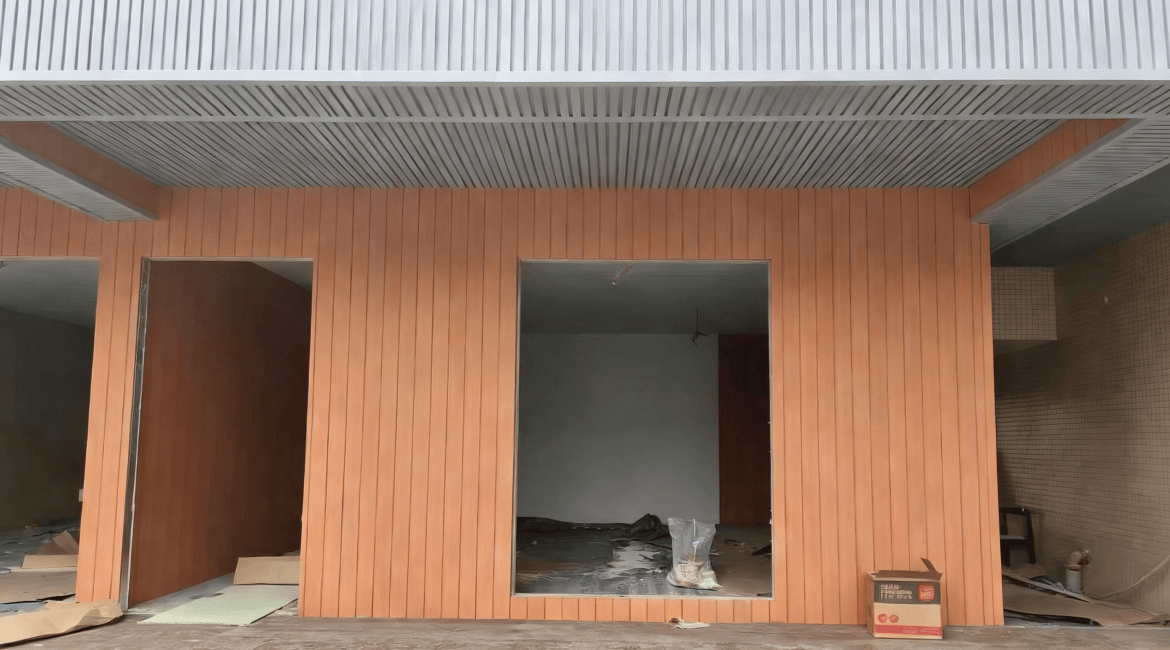
The external siding material fixed to the exterior walls of a building is called siding. Whether it is vinyl, fiber cement, wood, or metal, siding panels needs to be fixed to the structural siding using nails, screws, or adhesives, and there is no air gap between their back and the building's exterior wall.
The primary role of siding is to protect the home from rain, wind, UV exposure, and temperature fluctuations. It also contributes to curb appeal, with a wide range of styles and colors available. Because of its straightforward installation method, siding is generally more affordable and faster to install than a full cladding system.
Common siding materials include:
- Vinyl — affordable, low-maintenance, available in many colors
- Fiber cement — durable, fire-resistant, and weather-tough
- Wood — classic look, though it requires regular upkeep
- Metal — strong, long-lasting, and resistant to pests and rot
- PVC composite — lightweight, moisture-resistant, and easy to work with
Both horizontal and vertical siding panels are widely used. Vertical layouts tend to suit contemporary architecture, while horizontal profiles remain the traditional standard for residential homes.
What Is Cladding?
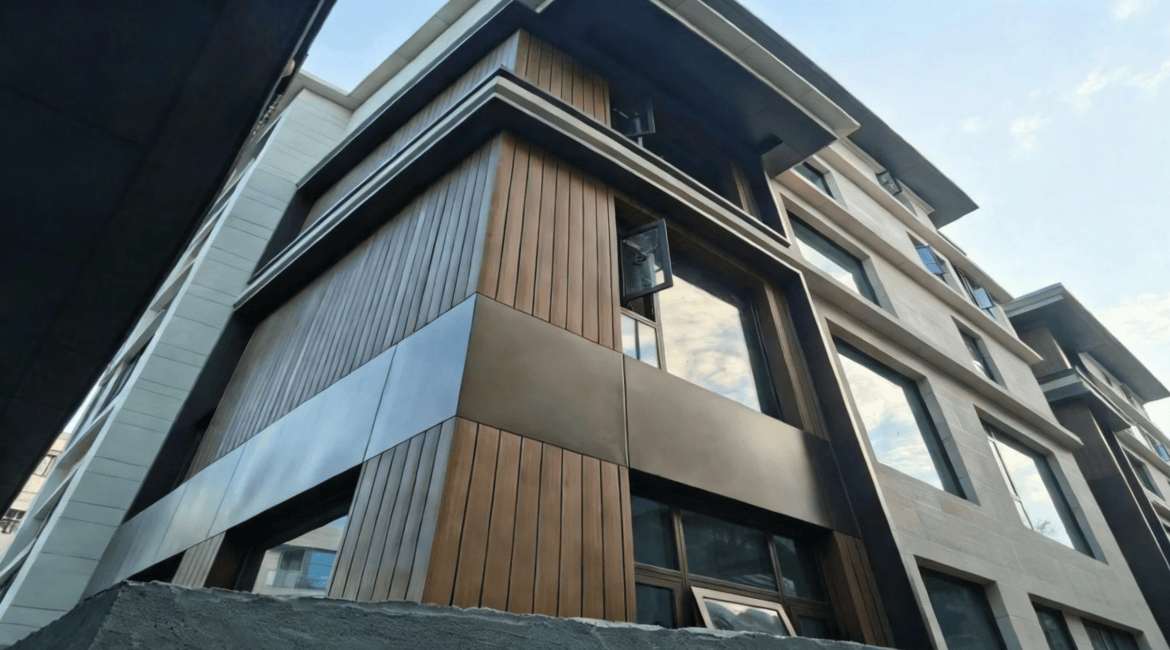
Cladding is a more complex wall system. Rather than attaching material directly to the building's exterior wall, cladding involves installing furring strips — thin wooden or metal battens — first. These strips create a ventilated air gap between the outer surface and the wall sheathing. The cladding panels are then fixed to these furring strips, resulting in a layered assembly.
A full cladding system typically includes:
- The structural wall or sheathing
- A water-resistive barrier (WRB) or house wrap
- Furring strips to create an air cavity
- The outer cladding panels themselves
This air cavity is the defining feature of cladding. It allows moisture that penetrates the outer layer to drain away safely, and it improves ventilation behind the panels — reducing the risk of rot, mold, and trapped condensation.
The range of exterior cladding options has expanded significantly in recent years. Stone, brick, metal, wood, fiber cement, and engineered composite panels are all used as cladding materials, giving architects and homeowners substantial creative freedom to define a building's character.
Key Differences: Siding vs. Cladding
Although the terms are often used interchangeably in everyday conversation, there are clear structural and functional differences between the two systems.
| Feature | Siding | Cladding |
|---|---|---|
| Installation method | Direct to wall surface | Over furring strips, with air gap |
| Moisture management | Relies on material itself | Drainage plane + ventilation cavity |
| Insulation performance | Limited (unless insulated backing) | Enhanced by layered system |
| Installation complexity | Straightforward, DIY-friendly | Multi-step, professional recommended |
| Cost (materials + labor) | Generally lower | Higher upfront investment |
| Longevity | 10–30 years depending on material | 30+ years with proper installation |
Installation
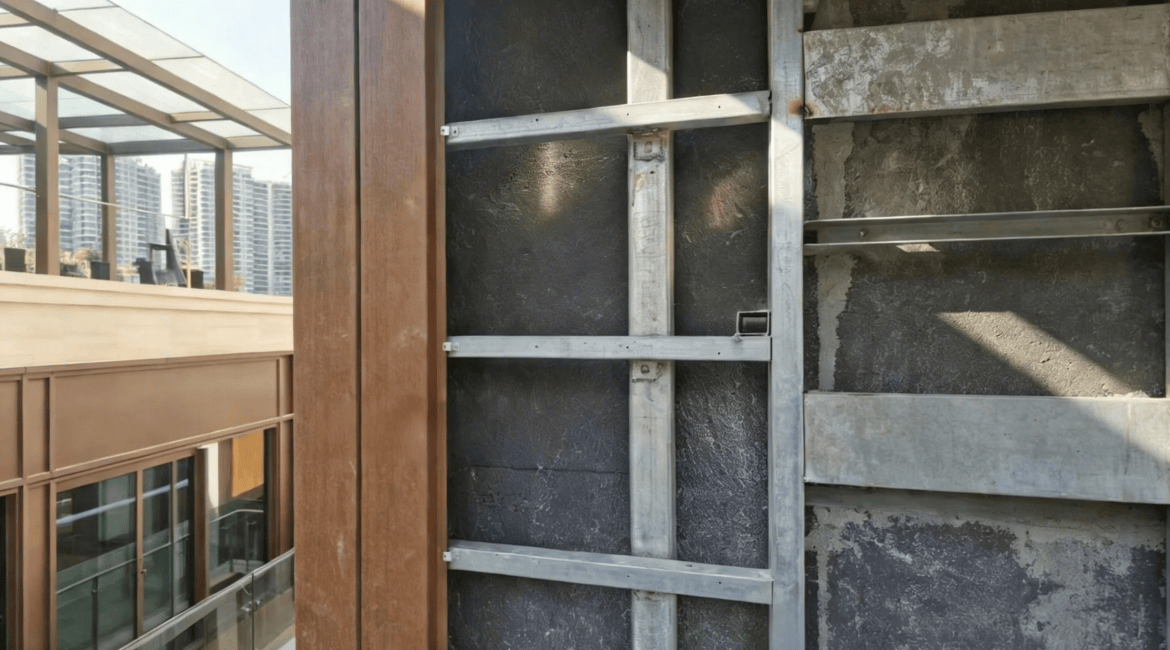
The biggest practical difference is how each system is installed. Exterior siding panels are nailed or screwed directly onto the sheathing, making installation relatively quick and accessible. Cladding requires the prior installation of furring strips to create the drainage gap, adding both labor time and material cost to the project.
Moisture and Ventilation
In climates with high rainfall or humidity, moisture management is critical. Cladding's ventilated cavity provides a natural drainage channel that prevents water from being trapped against the sheathing — a significant advantage for wood-framed structures. Siding, applied directly to the wall, depends entirely on the waterproofing properties of its own material. If moisture infiltrates poorly installed siding, it has nowhere to go — potentially leading to rot, mold, or structural damage over time.
Thermal Performance
Neither standard siding nor a cladding air gap alone provides substantial insulation. However, cladding systems that incorporate rigid insulation boards behind the outer panels can achieve considerably better thermal resistance. Siding products with factory-bonded foam backing can also close this gap for simpler installations.
Aesthetics and Design Flexibility
Both systems support a wide variety of visual outcomes, but modern siding panels — especially engineered composites and PVC options — have closed the aesthetic gap considerably. Contemporary profiles, textured surfaces, and realistic wood-look finishes mean that even a direct-fix siding system can deliver a striking, high-end appearance without the complexity of a full cladding assembly.
Which System Is Right for Your Home?
The best choice depends on your specific priorities:
- Choose siding if you're working within a tighter budget, want a faster installation, or live in a moderate climate where extreme moisture management isn't a top concern.
- Choose cladding if your region experiences heavy rainfall, if you're renovating a multi-story building, or if long-term durability and energy performance are more important than upfront savings.
In practice, many homeowners benefit from high-performance siding materials — such as PVC composite panels with ASA coating — that offer excellent moisture resistance even when installed as a direct-fix system. These materials effectively bridge the gap between traditional siding and full rainscreen cladding, providing durable protection without the additional complexity.
Final Thoughts
Siding and cladding are not the same thing, even if the terms are frequently treated as synonyms. The core distinction lies in the installation method: siding goes directly onto the exterior wall, while cladding incorporates a ventilated cavity created by furring strips for superior moisture control. For most residential projects, the right answer comes down to balancing budget, climate, and the performance characteristics of the specific panel material you choose.
Whether you opt for a simple direct-fix system or a full rainscreen cladding assembly, starting with a quality panel product makes all the difference. Explore our full range of exterior panel solutions to find the right fit for your next project.


