


 English
 中文简体
中文简体 عربى
عربى
Content
The Short Answer
For most residential and commercial renovation projects, PVC wall panels outperform tiles on cost, installation speed, moisture resistance, and long-term maintenance. Tiles still hold an edge in raw heat tolerance and resale prestige — but for the majority of wet rooms, feature walls, and budget-conscious builds, PVC panels are the smarter call.
Cost Comparison
Tile costs escalate quickly once you factor in adhesive, grout, spacers, and professional labor. PVC wall panels are typically up to 50% cheaper than an equivalent tiled surface when all materials and installation costs are combined. Because PVC panels need no skilled trowel work and no drying time, labor hours drop significantly — a full bathroom wall can be paneled in a single day rather than two or three.
Installation: No Grouting, No Waiting
Tile installation involves multiple stages: surface prep, adhesive application, precise alignment of every individual tile, grouting, and curing — each step adding time and potential error. PVC panels use tongue-and-groove or interlocking systems. Apply adhesive with a silicone gun, lock the panels together, done. They can even be fitted directly over existing tiles, making them ideal for fast refurbishments without demolition.
Moisture and Mould Resistance
Tiles themselves are water-resistant, but grout is not. Grout lines absorb moisture, develop mould, stain, and eventually require re-grouting — a recurring maintenance cost that adds up over years. PVC panels have zero grout joints. Their seamless surface is fully waterproof, hygienic, and wipeable with a damp cloth. For bathrooms, kitchens, and any wet-area application, this is a decisive advantage.
Durability and Impact Resistance
Ceramic and porcelain tiles crack and chip under impact. Once a tile breaks, replacing it cleanly is tricky — matching grout color alone is a challenge. PVC panels absorb impact without cracking, and individual panels can be swapped out without disturbing surrounding ones. With proper installation, quality indoor wall paneling maintains its appearance for 10–20 years under normal conditions.
Design Flexibility
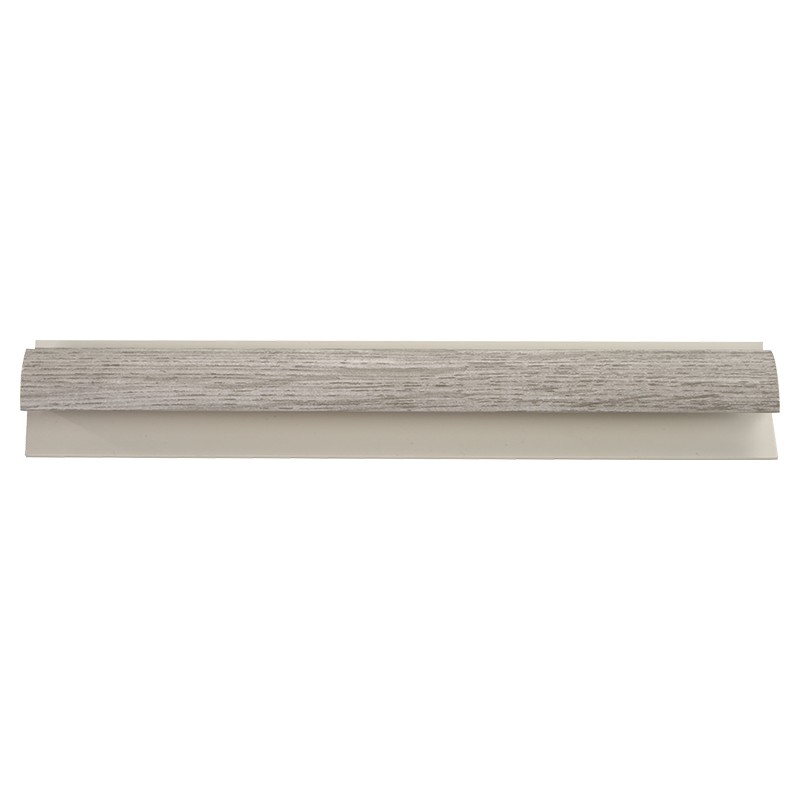
Modern PVC panels replicate marble, stone, wood grain, high-gloss solid colors, and 3D textured surfaces — formats that would be prohibitively expensive in real tile. They are also available in large-format sheets that create a cleaner, more continuous visual than grout-interrupted tile grids. For commercial projects needing consistent aesthetics across large areas, panels are far easier to specify and install uniformly.
Where Tiles Still Win
Tiles are preferable in a few specific scenarios: surfaces directly adjacent to open flames or stovetops (tiles handle sustained heat better), luxury projects where natural stone or premium porcelain is part of the brief, and exterior facades in temperate climates where ceramic holds up well. PVC panels are also not recommended directly above a stove burner — though they perform fine as kitchen backsplashes away from direct heat sources.
The Verdict
For bathrooms, shower walls, utility rooms, feature walls, commercial interiors, and renovation projects over existing tiles, PVC wall panels are the more practical, more affordable, and lower-maintenance solution. Tiles remain the choice for high-heat zones and prestige natural-stone applications. In most other contexts, the efficiency and performance of PVC panels make them the better investment.


