


 English
 中文简体
中文简体 عربى
عربى
Content
Both PVC and laminate flooring look similar on the shelf and cost roughly the same per square meter. So why does choosing between them matter? Because in the wrong room, the wrong floor can warp, crack, or wear out years ahead of schedule. This guide cuts through the confusion and gives you a direct answer based on where you actually plan to install it.
What Are PVC and Laminate Flooring?
PVC flooring (also called vinyl flooring) is made entirely from polyvinyl chloride — a synthetic plastic material. It is built in layers: a rigid or foam core, a printed decorative layer that mimics wood or stone, and a protective wear layer on top. The result is a fully synthetic, 100% waterproof product.
Laminate flooring is also a layered product, but its core is made from high-density fiberboard (HDF) — compressed wood fibers. On top sits a photographic paper layer that replicates wood or stone, sealed with a hard clear-coat. Because wood fiber is at its heart, laminate behaves very differently from PVC when moisture is involved.
Both floors come in click-lock plank formats, both are available in a wide range of wood-look finishes, and both are sold as affordable alternatives to real hardwood. The differences that matter, however, show up in real-world use.
Water Resistance: The Biggest Difference
This is where PVC and laminate part ways most dramatically. PVC flooring is 100% waterproof. Its core contains no wood fiber, so standing water, spills, pet accidents, and steam cannot penetrate or swell the plank. You can install PVC in bathrooms, kitchens, laundry rooms, and basements without concern.
Laminate is a different story. Standard laminate has an HDF core that absorbs moisture. If water seeps through the joints — from a leaking dishwasher, a pet water bowl, or a mopped floor left too wet — the core swells and the planks buckle. Some manufacturers offer "waterproof laminate" with a sealed HDF core, but even these products are only water-resistant, not fully waterproof, and prolonged exposure will still cause damage over time.
For any room where moisture is even an occasional factor, PVC is the safer choice. Our PVC wall panels follow the same principle — fully sealed surfaces that hold up where wood-based products cannot.
Durability and Lifespan
The lifespan of each floor depends heavily on quality, traffic level, and maintenance — but here are realistic benchmarks:
- PVC flooring: 15 to 25 years with proper care. The wear layer thickness is the key variable — residential use typically requires 0.3–0.5 mm, while commercial settings benefit from 0.55–0.7 mm.
- Laminate flooring: 10 to 20 years in dry conditions. Thickness ranges from 7 mm to 12 mm — thicker planks resist denting better and feel more solid underfoot.
In terms of scratch resistance, laminate generally performs better than entry-level PVC. Its hard clear-coat surface stands up well to pet claws and furniture legs. High-quality PVC with a thick wear layer can match laminate's scratch performance, but budget PVC options tend to show surface wear faster.
For impact resistance — dropped items, heavy furniture — PVC's flexible core absorbs more shock and is less likely to chip than laminate's rigid HDF base.
Installation and Cost
Both floors use click-lock systems and can be installed as floating floors by confident DIYers. There are a few practical differences worth knowing:
- Subfloor requirements: Laminate requires a very flat, dry subfloor. PVC — especially rigid-core LVP — tolerates minor subfloor imperfections better and can go directly over existing tile or vinyl in many cases.
- Glue-down option: PVC can be glued down or floated; laminate is almost always floated.
- Walkable time: PVC glued floors can be walked on within hours. Floating floors of both types are immediately usable after installation.
| Cost Item | PVC / Vinyl | Laminate |
|---|---|---|
| Material (per m²) | €7 – €30+ | €10 – €30+ |
| Installation (per m²) | €18 – €30 | €15 – €25 |
| Long-term value | Higher (longer lifespan) | Lower (shorter in wet areas) |
At the entry level, laminate is often slightly cheaper to purchase. However, if laminate is installed in a room where moisture eventually causes damage, you will replace it sooner — making PVC the more economical long-term choice in those spaces.
Comfort and Sound
Walk across a laminate floor in hard-soled shoes and you will notice it immediately — the hollow "click-clack" sound is one of laminate's most common complaints. This is because the HDF core is dense and rigid, and the floating installation creates a small air gap beneath the planks that amplifies footfall noise. Adding a thick underlayment reduces this significantly, but it cannot eliminate it entirely.
PVC, particularly foam-core vinyl, absorbs sound much more effectively. Its softer structure dampens footfall noise and also provides a warmer, more cushioned feel underfoot — a meaningful difference if you spend long hours standing in a kitchen or if the floor sits above a room where noise travels easily.
For bedrooms, children's rooms, or any space where comfort and quiet matter, PVC is the more comfortable option. For dry living areas or offices where a firmer feel is preferred, laminate holds its own.
Which Rooms Suit Each Floor?
The fastest way to decide is to match the floor to the room's conditions:
| Room | Recommended | Reason |
|---|---|---|
| Bathroom | PVC | Constant moisture — laminate will swell |
| Kitchen | PVC | Spills and steam; PVC handles both safely |
| Laundry room / basement | PVC | High humidity, possible flooding risk |
| Living room | Either | Dry area — choose based on look and budget |
| Bedroom | Either (PVC for comfort) | Dry area; PVC quieter and warmer underfoot |
| Hallway / high traffic | PVC | Better long-term wear resistance |
| Home office / study | Laminate | Dry, low foot traffic; laminate's wood look excels |
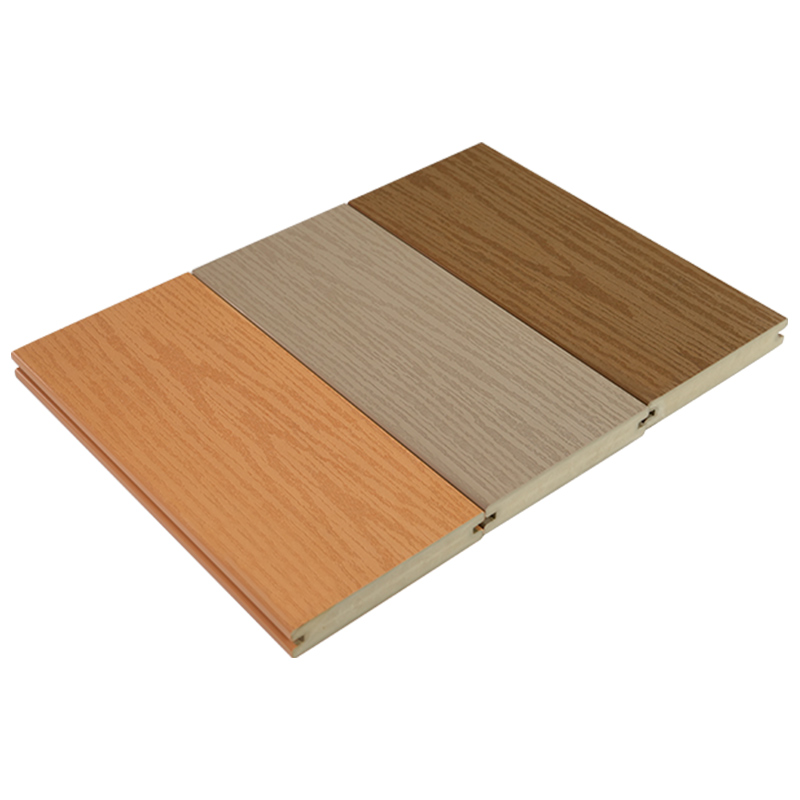
| Outdoor / balcony | PVC / ASA-PVC | Laminate is not suitable outdoors; see our outdoor PVC flooring solutions |
PVC vs. Laminate: Quick Comparison
| Property | PVC (Vinyl) | Laminate |
|---|---|---|
| Core material | Polyvinyl chloride (plastic) | High-density fiberboard (wood fiber) |
| Water resistance | 100% waterproof | Water-resistant at best; can swell |
| Lifespan | 15–25 years | 10–20 years (dry areas) |
| Scratch resistance | Good (wear-layer dependent) | Very good |
| Underfoot comfort | Softer, quieter | Harder, more echo |
| Wood appearance | Good to very good | Excellent (more realistic grain) |
| DIY installation | Easy | Easy |
| Entry-level price | €7/m² | €10/m² |
| Suitable for wet rooms | Yes | No (standard laminate) |
| Suitable outdoors | Yes (ASA-PVC grades) | No |
Final Verdict
Neither PVC nor laminate is universally better — but the decision is easier than it looks once you focus on your room's conditions:
- Choose PVC if the room is exposed to moisture, high foot traffic, pets, or outdoor elements. It lasts longer under stress, requires less maintenance, and eliminates water damage risk entirely.
- Choose laminate if the room is dry, low-traffic, and you prioritize the most realistic wood appearance at the lowest upfront cost.
For most households, a combination works best: PVC in kitchens, bathrooms, hallways, and laundry rooms; laminate in bedrooms or a study where moisture is not a concern.
If you are also considering wall finishes to complement your flooring, explore our range of PVC wall panels — waterproof, easy to install, and available in wood grain, stone, and solid-color finishes that pair naturally with both floor types.


