


 English
 中文简体
中文简体 عربى
عربى
Content
- PVC for Interior Walls: The Short Answer
- Key Advantages of PVC Interior Wall Panels
- Limitations and Drawbacks to Consider
- PVC vs. Other Interior Wall Materials: A Direct Comparison
- Where PVC Wall Panels Perform Best
- What to Look for When Choosing PVC Wall Panels
- Installation Tips for the Best Results
- Final Verdict
PVC for Interior Walls: The Short Answer
Yes — PVC panels are a strong choice for interior walls in the right settings, particularly in moisture-prone or high-traffic areas. They offer a practical combination of waterproofing, low maintenance, and long service life. However, like any material, they have trade-offs that make them better suited for some spaces than others. Understanding both sides helps you make a decision that holds up over time.
Key Advantages of PVC Interior Wall Panels
PVC (polyvinyl chloride) wall panels have become one of the most widely used wall cladding materials globally, and several properties drive that adoption:
Waterproof and Moisture-Resistant
PVC does not absorb water. This makes it ideal for bathrooms, kitchens, laundry rooms, and basements — spaces where drywall or plaster would crack, swell, or develop mold over time. In high-humidity environments, PVC panels consistently outperform traditional wall materials in longevity.
Low Maintenance
PVC wall surfaces are non-porous, which means dirt, grease, and stains sit on the surface rather than penetrating it. A damp cloth or mild detergent is typically all that is needed for cleaning — no repainting, re-sealing, or plastering required over the panel's lifetime.
Durability and Impact Resistance
Modern PVC panels are engineered to resist dents, scratches, and surface impact. Commercial-grade PVC wall cladding used in hospitals, food processing facilities, and retail environments is specifically rated for high-impact zones where walls take daily wear.
Easy and Fast Installation
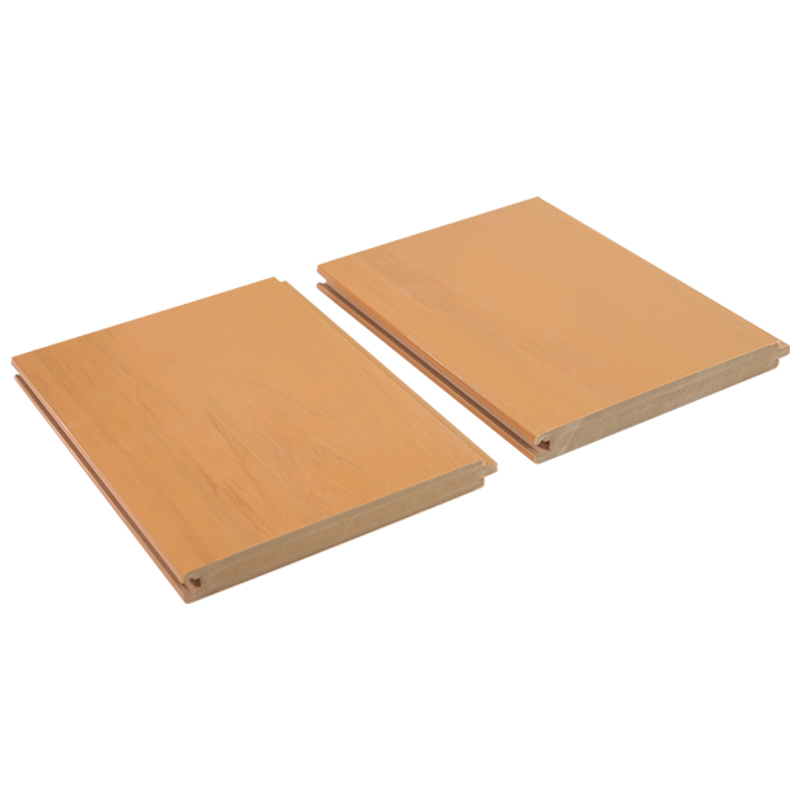
Most PVC wall panels use a tongue-and-groove or clip-lock system, allowing panels to be installed directly over existing surfaces without extensive preparation. This significantly reduces labor time and installation cost compared to tiling, plastering, or other cladding methods.
Cost-Effectiveness
PVC panels are generally less expensive than ceramic tiles, stone cladding, or solid wood paneling — both in material cost and installation. Total installed cost for PVC wall panels typically ranges from $3 to $12 per square foot, compared to $10–$30+ for tile, making it a budget-efficient option for large-area projects.
Design Variety
PVC panels are available in a wide range of colors, textures, and finishes — including wood grain, marble, solid color, and brushed metal effects. Digital printing technology now allows high-definition surface patterns that closely replicate natural materials at a fraction of the cost.
Limitations and Drawbacks to Consider
PVC is not a one-size-fits-all solution. Before specifying it for a project, these limitations deserve consideration:
- Thermal expansion: PVC expands and contracts with temperature changes. In rooms with large temperature swings or direct sun exposure, panels can warp or buckle if not installed with adequate expansion gaps.
- Not suitable for high-heat areas: Standard PVC softens at temperatures above approximately 60–70°C (140–158°F). It should not be installed directly adjacent to stoves, ovens, or fireplaces without a heat-resistant barrier.
- Lower perceived premium aesthetic: Despite improved surface finishes, PVC panels can look visibly synthetic in upscale residential or heritage settings where natural materials are expected. In these contexts, the aesthetic gap between PVC and real wood or stone remains noticeable.
- Environmental considerations: PVC is a petroleum-derived plastic. While panels are long-lasting (reducing replacement frequency), recycling options at end of life are limited compared to materials like wood or metal.
- Sound transmission: Hollow PVC panels offer little acoustic insulation. In spaces where sound control matters — offices, bedrooms, media rooms — additional acoustic treatment will be needed.
PVC vs. Other Interior Wall Materials: A Direct Comparison
| Material | Waterproof | Maintenance | Cost (installed/sq ft) | Best For |
|---|---|---|---|---|
| PVC Panel | Yes | Very Low | $3 – $12 | Bathrooms, kitchens, commercial |
| Ceramic Tile | Yes (grout can fail) | Medium | $10 – $30 | Bathrooms, kitchens |
| Drywall / Plaster | No | Medium-High | $2 – $8 | Dry living areas |
| Wood Paneling | No | High | $15 – $40+ | Living rooms, premium interiors |
| FRP Panel | Yes | Low | $5 – $15 | Industrial, food service |
Where PVC Wall Panels Perform Best
PVC panels deliver the most value in applications where moisture resistance, hygiene, and ease of maintenance are primary concerns:
- Bathrooms and wet rooms: Eliminates grout mold, resists constant humidity and splashing.
- Kitchens (splashback zones): Grease and steam resistant, easy to wipe clean.
- Basements and below-grade spaces: Handles ambient moisture without deteriorating.
- Healthcare and food service facilities: Seamless, non-porous surfaces support hygiene compliance.
- Retail and commercial interiors: Cost-effective large-area coverage with low long-term upkeep.
- Rental properties: Durable, damage-resistant surfaces reduce maintenance calls between tenants.
In contrast, for dry living areas like living rooms or bedrooms where aesthetics and premium feel take priority, materials like painted drywall, MDF panels, or wood veneer may deliver a more satisfying result.
What to Look for When Choosing PVC Wall Panels
Not all PVC panels are manufactured to the same standard. When evaluating options, focus on these specifications:
- Panel thickness: Thicker panels (8–10mm+) offer better rigidity and impact resistance. Thinner panels (4–6mm) may flex or bow over time on large wall spans.
- Fire rating: Look for panels rated to EN 13501 Class B or equivalent national fire standards, especially for commercial applications.
- UV stabilization: For rooms with significant sunlight exposure, UV-stabilized PVC resists yellowing and color fade over time.
- Surface finish quality: High-pressure laminate (HPL) or UV-coated surfaces offer better scratch resistance and a more realistic decorative finish than basic printed surfaces.
- Certifications: For food service or healthcare environments, verify panels carry appropriate hygiene certifications (e.g., NSF/ANSI 2 in North America).
Installation Tips for the Best Results
Even the best PVC panels will underperform if installed incorrectly. A few best practices make a measurable difference:
- Always allow panels to acclimatize for 24–48 hours in the installation environment before fitting, to prevent post-installation expansion gaps.
- Leave a 3–5mm expansion gap at all edges and trim with compatible PVC molding profiles to allow for thermal movement.
- Use solvent-free adhesive or mechanical fixing systems — solvent-based adhesives can degrade certain PVC formulations.
- Ensure the substrate wall is flat, dry, and structurally sound before installation. Uneven substrates will telegraph through thin panels.
- In wet areas, seal all panel joints and perimeter edges with silicone sealant rated for bathroom use to prevent water ingress behind the panels.
Final Verdict
PVC is an excellent interior wall material for moisture-heavy, high-traffic, or budget-conscious applications. Its waterproof properties, ease of maintenance, and installation speed give it a clear edge over traditional wall coverings in bathrooms, kitchens, commercial spaces, and basements. Where it falls short is in premium aesthetic settings and heat-adjacent zones, and it requires thoughtful installation to account for thermal movement.
For the majority of practical interior wall applications, PVC panels represent a durable, cost-effective, and reliable solution — provided you match the panel specification to the demands of the specific room and use case.


