


 English
 中文简体
中文简体 عربى
عربى
Content
PVC in Hot Weather: What You Need to Know Before Buying
Temperatures in the Middle East regularly exceed 45°C in summer. In Southeast Asia, rooftops and exterior walls face relentless UV exposure for months on end. Before choosing any building material for these climates, the question "Is PVC good for hot weather?" deserves a clear, honest answer — not a marketing pitch.
The short answer: standard PVC has real heat limitations, but modern co-extruded ASA-PVC products are engineered specifically to overcome them. Understanding the difference protects your investment.
Where Standard PVC Struggles with Heat
PVC (polyvinyl chloride) performs reliably between 0°C and 60°C. Once ambient or surface temperatures exceed that threshold, the material begins to soften, lose rigidity, and risk warping. This is not a theoretical concern — on a sunny 35°C day, a dark-colored PVC surface exposed to direct sunlight can reach 65–80°C or higher due to radiant heat buildup.
The practical consequences include:
- Panel deformation under sustained sun exposure
- Color fading caused by UV degradation breaking down surface pigments
- Weakened joint seals, creating gaps that allow moisture ingress
- Reduced lifespan, particularly for exterior cladding and roofing applications
For indoor applications — walls, ceilings, bathrooms — shielded from direct sunlight, standard PVC wall panels and decorative surfaces remain highly practical: moisture-proof, easy to clean, and thermally stable in air-conditioned environments.
How ASA Co-Extrusion Solves the Problem
The real breakthrough for hot climates is ASA co-extrusion technology. ASA (Acrylonitrile Styrene Acrylate) is an engineering-grade polymer bonded to a PVC core during manufacturing. The two materials are fused under heat into a single, integrated panel — not simply coated or laminated on top.
This matters because the ASA outer layer does the heavy lifting in hot weather:
- UV resistance: ASA absorbs and dissipates ultraviolet radiation rather than allowing it to penetrate to the PVC core, keeping color stable for 10+ years even under tropical sun
- Higher thermal tolerance: Co-extruded ASA-PVC panels can handle operating temperatures from -20°C to 80°C, covering even extreme desert climates
- No surface degradation: Unlike PVC coatings that can peel or chalk, ASA's molecular structure maintains integrity under repeated thermal expansion and contraction cycles
The PVC core underneath still contributes what PVC does best: structural rigidity, moisture resistance, lightweight handling, and cost efficiency compared to aluminum or fiber cement alternatives.
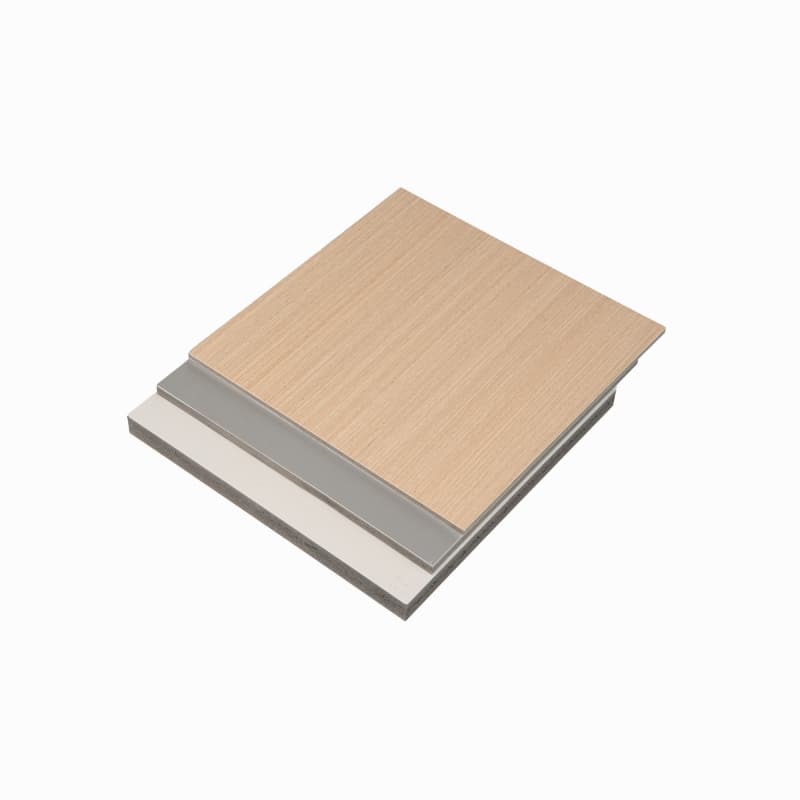
Performance Comparison: Standard PVC vs. ASA-PVC in Hot Climates
| Property | Standard PVC | Co-extruded ASA-PVC |
|---|---|---|
| Max. operating temperature | ~60°C | Up to 80°C |
| UV resistance | Limited (fades within 3–5 years) | High (color stable 10+ years) |
| Outdoor lifespan | 5–8 years | 15–20 years |
| Warping risk under direct sun | Moderate to high | Low |
| Maintenance requirement | Moderate | Minimal |
Choosing the Right Product for Your Climate
For balconies, garden walls, exterior cladding, or any surface exposed to direct sunlight in a hot climate, the correct choice is an ASA co-extruded panel. Outdoor ASA-PVC wall panels designed for balcony and garden use combine the co-extruded surface with tongue-and-groove installation systems, making them practical for both large commercial projects and residential renovations.
Three installation tips that extend performance in hot climates:
- Leave expansion gaps: All panels expand with heat. Follow the manufacturer's recommended gap spacing (typically 3–5mm per 3m length) to prevent buckling during peak summer temperatures.
- Choose lighter colors where possible: Lighter surface colors absorb less solar radiation, reducing surface temperature by 15–30°C compared to dark-toned panels.
- Ensure rear ventilation: Installing panels with an air gap behind them allows heat to dissipate rather than accumulate at the panel surface.
For decking, flooring, and fencing in outdoor settings, look for products with co-extruded PVC/ASA panel construction rated for outdoor environments, ideally tested to SGS or Intertek standards to verify UV stability and thermal performance claims.
The Verdict
Standard PVC is not ideal for prolonged direct sun exposure in hot climates. But calling "PVC" a bad choice for hot weather is too broad — the category has evolved significantly. Co-extruded ASA-PVC panels handle desert heat, tropical UV, and coastal humidity with a lifespan that competes with far more expensive materials. The key is specifying the right product: look for ASA co-extrusion (not just coating), confirmed temperature ratings above 75°C, and documented UV test results before purchasing for any exterior application.


