


 English
 中文简体
中文简体 عربى
عربى
Content
PVC wall panels have earned their place as a go-to wall finish across kitchens, bathrooms, offices, and outdoor facades — not because they are trendy, but because they consistently solve real problems: moisture, mold, cracked paint, and rising maintenance costs. Choosing the wrong panel, however, can mean peeling surfaces, faded colors, or panels that simply fail in your environment. This guide gives you a clear framework for making the right call.
Match the Panel Type to the Environment First
Before comparing colors or prices, identify where the panels will be installed. Indoor and outdoor PVC panels are engineered differently — and the difference matters.
- Interior spaces (living rooms, bedrooms, commercial interiors): standard PVC or WPC panels with decorative finishes such as wood grain, stone grain, or solid color work well. Look for options with sound insulation and formaldehyde-free certification for living spaces. Guanming's indoor wall paneling range covers wood grain, stone, solid color, and fabric textures across multiple style directions.
- Wet areas (bathrooms, kitchens, basements): choose panels rated waterproof and mold-resistant. PVC outperforms MDF and gypsum here — moisture causes those materials to swell and crumble within a few years.
- Outdoor applications (balconies, facades, garden boundaries): standard PVC is not enough. You need co-extruded ASA-PVC panels, where the ASA cap layer provides UV resistance and color fastness that plain PVC simply cannot maintain under direct sunlight. Guanming's outdoor co-extruded ASA-PVC panels are engineered specifically for this — they resist UV degradation, rot, and extreme weather without painting or oiling.
Thickness and Core Structure: Where Durability Hides
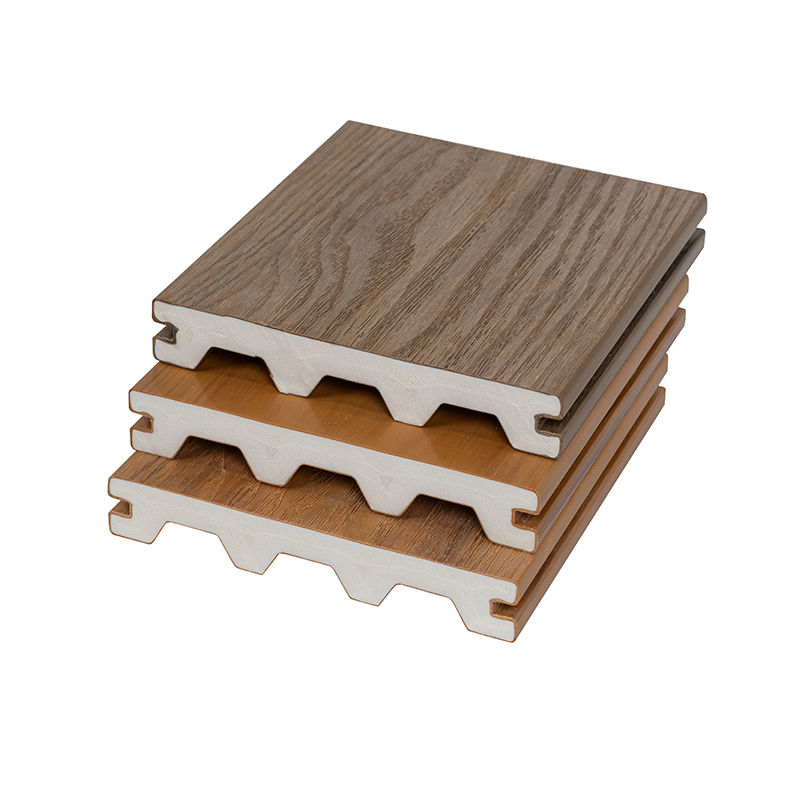
Panel thickness directly affects how well a panel resists dents, impacts, and long-term deformation. For residential interiors, panels in the 8–12mm range are generally sufficient. High-traffic commercial spaces — retail floors, hotel lobbies, hospital corridors — benefit from thicker, denser panels above 12mm with solid cores rather than hollow ribbed structures.
Hollow-core panels are lighter and cheaper but flex under pressure. Solid-core or foam-filled panels offer noticeably better rigidity and sound dampening. If you tap a panel and hear a thin, echoey sound, that is a hollow-core product. A dull thud indicates more mass and structural density — generally a better sign for high-use environments.
Surface Finish: Function Follows the Room
Finish is not just an aesthetic choice — it affects light reflection, scratch visibility, and cleaning ease.
| Finish Type | Best For | Consideration |
|---|---|---|
| High Gloss | Modern kitchens, showrooms | Shows fingerprints more easily |
| Matte | Bedrooms, offices, corridors | Hides surface marks better |
| Textured (wood/stone grain) | Living rooms, feature walls | Camouflages minor scratches |
| UV-coated ASA | Outdoor facades, balconies | Essential for color retention outdoors |
For humid rooms, gloss finishes are practical — they clean with a damp cloth and leave no moisture-trapping texture. For outdoor use, avoid panels without a UV-stabilized cap layer; the color will chalk and fade within 2–3 years of sun exposure.
Certifications to Request Before You Buy
Good suppliers provide documentation without hesitation. The certifications worth checking:
- Fire rating — For commercial projects, confirm the panel holds a B1 fire-retardant rating or equivalent (UL20, UL60, UL90). Guanming holds CE and UL certifications across its product lines, along with SGS and Intertek test reports on outdoor panels.
- Formaldehyde emission — For indoor panels, request E0 or E1 emission class documentation, particularly important for bedrooms and children's spaces.
- Water absorption rate — A quality exterior panel should absorb less than 1% water by weight. Higher absorption leads to swelling and surface degradation over time.
- UV resistance — Outdoor panels should carry documented color fastness data. Ask for the specific test standard referenced.
Size and Installation Method
Panel width affects both the visual rhythm of a wall and installation speed. Narrower panels (100–150mm) create a more traditional, planked appearance. Wider panels (250–400mm) produce a cleaner, more contemporary look with fewer joins. For very large walls, wide panels also mean fewer seams to seal and less risk of moisture infiltration at joints.
For interior flat walls, adhesive bonding is the fastest method. For exterior facades and wet rooms, a clip-and-batten system is strongly recommended — it creates a ventilated cavity behind the panel that prevents moisture buildup and accommodates thermal expansion without surface stress. Confirm that your chosen panel includes compatible trim profiles (corner pieces, end caps, starting strips) before ordering, as mismatched trims are a common installation headache.
The Practical Bottom Line
PVC wall panels deliver the best value when matched correctly to their environment. Use standard decorative PVC panels indoors, waterproof-rated panels in wet areas, and ASA co-extruded panels outdoors. Verify thickness, core density, and relevant certifications before committing. A panel with a 20–30 year service life — which quality PVC products regularly achieve — pays for the extra scrutiny at purchase time many times over.
If you are sourcing panels for a renovation project or a commercial build, requesting samples from your supplier is the single most effective quality check available. Flex the sample, tap it, check the cut edge for consistent density, and ask for the certification documents that back up the performance claims.


