


 English
 中文简体
中文简体 عربى
عربى
Content
WPC Door Panels Offer Superior Stability and Moisture Resistance
If you are looking for a door material that will not warp, swell, or crack in humid conditions, the direct and clear answer is to choose WPC (Wood Plastic Composite) door panels. Unlike traditional solid wood or standard engineered wood, WPC is engineered to be dimensionally stable. For example, in bathroom or kitchen applications where humidity fluctuates wildly, a standard MDF door might swell by up to 5% over a year, whereas a high-quality WPC panel typically shows less than 0.5% dimensional change. This makes them the most practical choice for wet areas and climates with high humidity.
What Exactly Are WPC Door Panels?
WPC stands for Wood Plastic Composite. It is a hybrid material made by mixing wood fibers or wood flour with thermoplastics (like PVC, PE, or PP). This mixture is then extruded or molded under high pressure to create dense, uniform panels. This combination results in a product that leverages the best properties of both materials: the rigidity and workability of wood, and the waterproofing and low-maintenance nature of plastic.
Key Components and Manufacturing
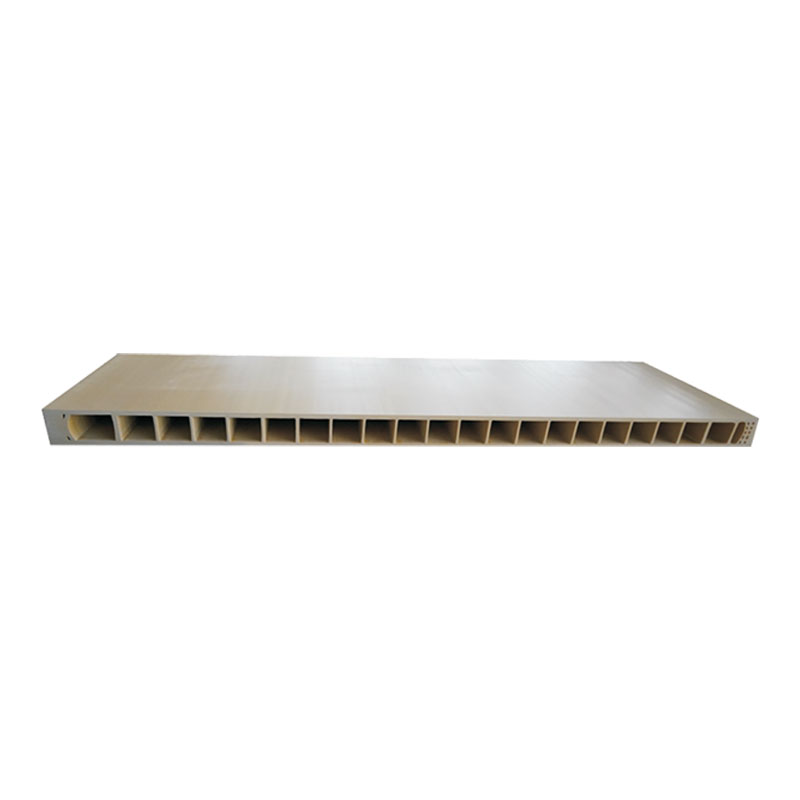
The typical composition of a WPC panel is roughly 50-70% wood fiber and 30-50% plastic resin, along with binding agents and UV stabilizers. The extrusion process forces the material through a die, creating solid or hollow-core panels. This method ensures a consistent density throughout the panel, eliminating the knots and voids found in natural wood that can lead to weak points.
Unmatched Durability: The Core Advantage
When investing in doors, longevity is often the primary concern. WPC panels excel in this area due to their inherent resistance to environmental stressors.
100% Waterproof Nature
While "water-resistant" is a common term in the industry, WPC door panels are often described as "waterproof." In a controlled 24-hour water immersion test, solid wood doors can absorb over 20% of their weight in water, leading to swelling and delamination. In the same test, a solid WPC door panel will absorb less than 1% moisture and show no signs of swelling or structural degradation. This makes them ideal for external entrances exposed to rain or internal wet rooms.
Termite and Pest Resistance
Natural wood contains cellulose, which is food for termites. Since WPC encapsulates wood fibers in a plastic matrix, termites cannot digest the material. Installing WPC panels effectively removes the risk of pest infestation that plagues solid wooden doors in many regions.
Practical Comparison: WPC vs. Traditional Materials
To understand the value proposition, it is helpful to compare WPC door panels directly against common alternatives. The table below highlights the key performance indicators.
| Property | Solid Wood | HDF/MDF | WPC |
|---|---|---|---|
| Moisture Resistance | Poor (Prone to rot) | Moderate (Prone to swell) | Excellent (Waterproof) |
| Dimensional Stability | Low (Expands/Contracts) | Medium | High (No Warping) |
| Termite Resistance | Vulnerable | Vulnerable | Immune |
| Maintenance | High (Sanding/Polishing) | Medium (Prone to dents) | Low (Wipe Clean) |
| Cost Efficiency (Long-term) | Low (High upkeep) | Medium | High (Minimal upkeep) |
As the data shows, while the initial cost of a solid hardwood door might be comparable to a premium WPC door, the cost of ownership over a decade is significantly lower for WPC due to the elimination of painting, sealing, and pest control treatments.
Installation and Workability
Despite their density and strength, WPC panels are surprisingly workable with standard woodworking tools. You can cut, rout, and drill them just like wood.
Screw Holding Capacity
A common concern with composite materials is whether they can hold hinges and locks securely. Tests show that the screw pull-out strength of WPC is often 30-40% higher than that of particleboard and comparable to solid softwood. This ensures that door hardware remains firmly in place for the life of the door, preventing the "screw loosening" issue common with cheaper engineered woods.
Environmental and Sustainability Benefits
From a green building perspective, WPC door panels are a responsible choice. They are typically manufactured using recycled wood waste and recycled plastics. A single WPC door can divert pounds of plastic waste from landfills and utilize wood chips that would otherwise be burned. Furthermore, because they do not require painting or chemical treatments for termites, they reduce the release of VOCs (Volatile Organic Compounds) into the home environment.


