


 English
 中文简体
中文简体 عربى
عربى
Content
- Understanding Outdoor Laminate Panels
- Temperature Fluctuations and Their Effects
- How Outdoor Laminate Panels Manage Expansion and Contraction
- Resistance to UV and Heat
- Behavior in Cold Conditions
- Installation Considerations for Temperature Fluctuations
- Maintenance Tips for Longevity
- Choosing Panels for Extreme Climates
- Conclusion
Outdoor laminate panel has become a popular choice in construction, architecture, and exterior design due to their versatility, aesthetic appeal, and durability. One key concern when selecting materials for exterior applications is how well they can withstand temperature fluctuations. Weather conditions vary greatly—from scorching heat to freezing cold—and these changes can significantly affect the performance, longevity, and appearance of exterior panels.
Understanding Outdoor Laminate Panels
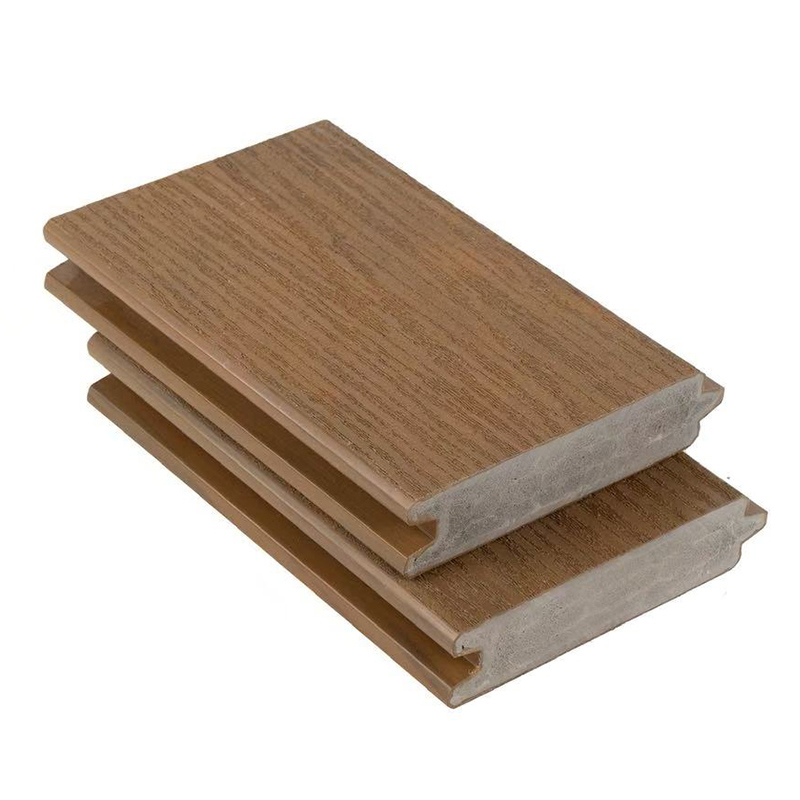
Before diving into temperature-specific behavior, it’s essential to understand what outdoor laminate panels are and how they are constructed. An outdoor laminate panel typically consists of multiple layers:
- Decorative Layer: This top layer provides aesthetic appeal and can feature a variety of textures, colors, and patterns. It is designed to resist fading from sunlight.
- Core Layer: Usually made of high-density fiberboard, phenolic resin, or composite materials, the core provides structural stability and strength.
- Backing Layer: Often a protective layer that improves moisture resistance and helps maintain flatness over time.
The materials and bonding techniques used in these panels directly influence how well they handle environmental stressors, including temperature swings.
Temperature Fluctuations and Their Effects
Temperature fluctuations occur when outdoor conditions change rapidly or repeatedly between hot and cold extremes. These fluctuations can affect materials in several ways:
- Expansion and Contraction: Most materials expand when heated and contract when cooled. Repeated expansion and contraction can stress the panel, potentially leading to warping, delamination, or cracks over time.
- Moisture Absorption: Temperature changes often coincide with changes in humidity. Some panels may absorb moisture during colder, humid periods, which can exacerbate expansion or cause surface defects.
- Surface Degradation: Intense heat or repeated freezing and thawing cycles can cause fading, surface brittleness, or loss of protective coatings.
Outdoor laminate panels are designed with these challenges in mind, but their ability to cope depends on quality, installation, and maintenance.
How Outdoor Laminate Panels Manage Expansion and Contraction
One of the most critical aspects of handling temperature fluctuations is the panel’s ability to expand and contract without damage. High-quality outdoor laminate panels incorporate materials and engineering that address these changes:
- Engineered Core Materials: Many outdoor panels use phenolic resin or composite cores that are dimensionally stable, reducing the amount of expansion or contraction.
- Balanced Layering: Proper layering ensures that the decorative and core layers move in sync, minimizing stress between layers that could cause delamination.
- Floating Installation: Panels are often installed with a small gap between them, allowing slight movement without buckling or cracking. This is especially important in areas with large daily temperature swings.
By considering these factors, outdoor laminate panels maintain structural integrity even in climates with extreme seasonal variations.
Resistance to UV and Heat
Exposure to sunlight not only raises the surface temperature of panels but also contributes to material degradation over time. Outdoor laminate panels are often treated with UV-resistant coatings:
- Color Stability: UV coatings prevent the decorative layer from fading, even when exposed to prolonged sunlight and heat.
- Surface Hardening: Heat-resistant layers reduce the risk of surface softening or blistering under high temperatures.
- Thermal Insulation: Some panels offer mild insulation properties that help moderate the temperature of the panel surface, reducing expansion stress.
Panels with poor UV protection may exhibit discoloration, warping, or surface cracks faster than properly treated panels.
Behavior in Cold Conditions
Cold temperatures bring their own challenges, particularly in areas that experience freezing and thawing cycles. Outdoor laminate panels are affected by:
- Brittleness: Extremely low temperatures can make certain materials brittle. High-quality laminates use materials that retain flexibility even in sub-zero conditions.
- Moisture Freeze Damage: If panels absorb moisture and the water freezes, expansion can cause cracks or delamination. Proper sealing and moisture-resistant backing layers help prevent this.
- Adhesive Performance: Installation adhesives must maintain their bonding properties in cold temperatures to prevent panels from detaching or shifting.
Panels designed for outdoor use typically undergo testing for freeze-thaw cycles to ensure long-term durability.
Installation Considerations for Temperature Fluctuations
Even the best panels can fail if not installed correctly. To maximize performance under temperature fluctuations:
- Allow for Movement: Leave expansion gaps at edges and between panels.
- Use Appropriate Fasteners and Adhesives: Fasteners should accommodate movement, and adhesives must be temperature-tolerant.
- Avoid Direct Ground Contact: Install panels on raised or ventilated frameworks to reduce moisture accumulation and temperature stress.
- Consider Orientation: Panels on sun-exposed walls may experience more heat-induced expansion, requiring larger spacing or additional supports.
Proper installation significantly enhances a panel’s ability to withstand temperature extremes.
Maintenance Tips for Longevity
Routine maintenance helps outdoor laminate panels resist temperature-related damage:
- Regular Cleaning: Remove dirt, grime, and mildew to prevent surface degradation.
- Inspect for Gaps or Cracks: Early detection of expansion-related stress allows for timely repairs.
- Reapply Protective Coatings: Some UV-resistant or water-resistant coatings may require periodic reapplication.
- Ensure Proper Drainage: Prevent water from pooling near panels, reducing freeze-thaw stress.
Even temperature-resistant panels benefit from proactive care.
Choosing Panels for Extreme Climates
If your project is in a region with significant temperature fluctuations, consider the following when selecting panels:
- Material Composition: Look for phenolic resin or composite cores with proven thermal stability.
- Testing and Certification: Panels tested for freeze-thaw cycles and heat exposure provide added confidence.
- Thickness and Reinforcement: Thicker panels or those reinforced with fibreglass or aluminum can better resist warping.
- Manufacturer Guidelines: Follow recommended installation practices and spacing requirements for thermal movement.
These considerations ensure the panels perform reliably over decades.
Conclusion
Outdoor laminate panels are engineered to handle a wide range of environmental stresses, including temperature fluctuations. Their layered construction, high-quality core materials, UV-resistant coatings, and thoughtful installation methods allow them to expand and contract safely without compromising appearance or performance. However, the extent to which they handle temperature extremes depends on material selection, installation quality, and routine maintenance. By choosing the right panels, installing them properly, and performing periodic upkeep, homeowners and designers can enjoy the aesthetic and functional benefits of outdoor laminate panels for years—even in regions with dramatic temperature swings.


