


 English
 中文简体
中文简体 عربى
عربى
Content
In modern interior design, WPC (Wood Plastic Composite) door panels have become increasingly popular due to their durability, water resistance, and low maintenance requirements. Many homeowners and designers are now exploring ways to further enhance the aesthetic appeal of these doors. A common question that arises is: “Can WPC Door Panels be used with decorative laminates or veneers?”
Understanding WPC Door Panels
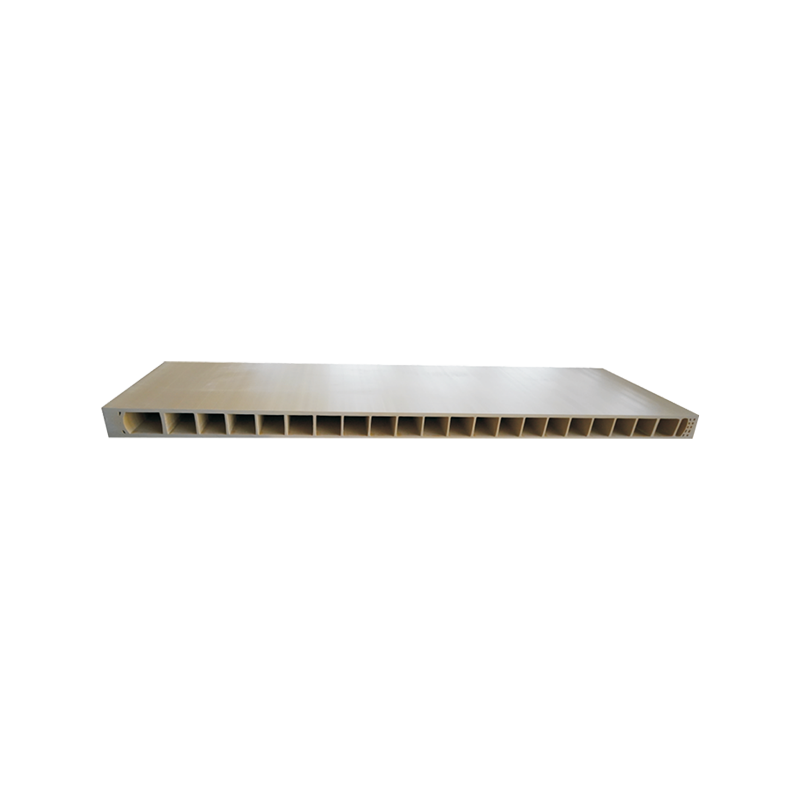
WPC door panels are composed of a mixture of wood fibers and thermoplastics. This combination gives them several advantages over traditional wooden doors:
- Durability: WPC is resistant to cracking, warping, and splitting, making it suitable for various climates.
- Water Resistance: Unlike solid wood, WPC can withstand moisture, making it ideal for kitchens, bathrooms, and areas with high humidity.
- Low Maintenance: WPC requires minimal upkeep and does not need frequent polishing or painting.
- Eco-Friendly: Many WPC products are made using recycled materials, reducing environmental impact.
Despite these benefits, WPC door panels are often available in limited finishes and colors. This is where decorative laminates and veneers come in, offering a way to customize the look and feel of your doors.
What Are Decorative Laminates and Veneers?
Before exploring compatibility with WPC, it is important to understand what laminates and veneers are:
-
Decorative Laminates: These are thin sheets of material, usually made from paper or fabric layers impregnated with resins, which are pressed and bonded to surfaces using adhesives. Laminates are durable, come in various textures, and can imitate wood grains, stones, or abstract patterns.
-
Veneers: Veneers are thin slices of natural wood or synthetic wood that are glued onto surfaces. Unlike laminates, veneers maintain the texture and look of real wood, providing an authentic wooden appearance.
Both laminates and veneers can transform a plain WPC panel into a stylish feature, allowing for customization to suit interiors ranging from modern to traditional.
Can WPC Door Panels Be Laminated or Veneered?
The short answer is yes—WPC door panels can be used with both decorative laminates and veneers—but with some considerations:
1. Surface Preparation
The surface of WPC door panels must be smooth, clean, and dry before applying any laminate or veneer. Any dust, oil, or moisture can prevent proper adhesion, leading to peeling or bubbles. Sanding the surface lightly may also improve bonding.
2. Type of Adhesive
Choosing the right adhesive is critical. Standard wood glue may not always be effective for WPC due to its plastic content. Commonly recommended adhesives include:
- PVA (Polyvinyl Acetate) Glue: Works for many laminates and veneers if surfaces are properly prepared.
- Contact Adhesive: Suitable for decorative laminates; ensures instant bonding.
- Epoxy or PU Adhesive: Stronger options for heavier veneers or laminates.
Following the adhesive manufacturer’s instructions is important for long-term durability.
3. Heat and Pressure Considerations
Some laminates, particularly high-pressure laminates (HPL), require heat and pressure during installation. WPC panels can usually withstand moderate heat, but extreme temperatures may deform the panel. Using a professional laminating press or specialized tools designed for WPC is recommended.
4. Compatibility with Veneers
Veneers are thinner and lighter than laminates. They bond more easily to WPC surfaces but may require a primer or sealer to ensure proper adhesion. Moisture-resistant veneers are recommended for areas like kitchens and bathrooms.
Benefits of Laminating or Veneering WPC Door Panels
Using laminates or veneers on WPC door panels offers several advantages:
- Enhanced Aesthetics: You can mimic natural wood grains, marble, or custom textures without using solid wood.
- Cost-Effectiveness: Laminates and veneers are generally cheaper than solid wood panels, while still achieving a high-end look.
- Customization: You can choose patterns, colors, and textures to match the overall interior design.
- Protection: Laminates and veneers can add an additional protective layer, improving scratch and moisture resistance.
Challenges and Considerations
While WPC door panels can accept laminates or veneers, some challenges exist:
- Thermal Expansion: WPC panels may expand or contract slightly with temperature changes, which can cause stress on the laminate or veneer if it is rigid. Proper spacing or flexible adhesive can mitigate this risk.
- Moisture Traps: Poorly installed laminates or veneers may trap moisture between the layer and the WPC panel, leading to bubbling or warping over time.
- Surface Wear: Laminates and veneers are generally durable, but high-traffic areas may see wear over time. Choosing abrasion-resistant laminates can extend the lifespan.
- Edge Treatment: The edges of WPC panels should be properly sealed before laminating or veneering to prevent peeling or moisture ingress.
Installation Tips
For a successful finish when applying laminates or veneers on WPC door panels, consider the following tips:
- Professional Installation: For high-pressure laminates or intricate veneer patterns, professional installation ensures durability and a clean finish.
- Primer and Sealer: Apply a primer or sealer to the WPC surface to improve adhesion and reduce moisture absorption.
- Use Quality Adhesives: Choose adhesives specifically designed for plastics or composite materials.
- Edge Sealing: Seal all edges and joints to prevent water or air from getting trapped.
- Even Pressure: Use a roller or press to ensure even bonding without bubbles or gaps.
Maintenance of Laminated or Veneered WPC Door Panels
Once laminated or veneered, WPC door panels require basic maintenance to ensure longevity:
- Cleaning: Wipe regularly with a soft, damp cloth. Avoid abrasive cleaners that can scratch the surface.
- Avoid Excess Moisture: Even though WPC is water-resistant, excess water can damage adhesives or veneers over time.
- Protect from Heat: Keep laminated or veneered surfaces away from direct heat sources to prevent warping.
- Polishing: Use non-abrasive polish to maintain the appearance of veneers. Laminates typically require minimal care.
Applications
Laminated or veneered WPC door panels can be used in multiple scenarios:
- Residential Interiors: Bedrooms, living rooms, and bathrooms benefit from customized designs.
- Commercial Spaces: Offices, hotels, and restaurants can use laminates for a professional and stylish look.
- Wet Areas: Kitchens and bathrooms can use moisture-resistant laminates to maintain aesthetics and durability.
Conclusion
WPC door panels are versatile, durable, and water-resistant, making them an excellent base for decorative laminates and veneers. When installed properly with attention to surface preparation, adhesive choice, and edge sealing, laminates and veneers can dramatically enhance the visual appeal of WPC doors while retaining their practical benefits.
Whether you are a homeowner seeking aesthetic upgrades or a designer looking for cost-effective, stylish solutions, combining WPC door panels with decorative laminates or veneers offers flexibility, protection, and long-term value. Proper installation and maintenance are key to ensuring that your customized WPC door panels remain both beautiful and durable for years to come.


