


 English
 中文简体
中文简体 عربى
عربى
Content
Indoor Wall Paneling have become a popular choice for homeowners and interior designers alike. Offering a mix of aesthetic appeal and functional benefits, they are often used to enhance the visual impact of a room while providing durability and insulation. However, many people wonder whether indoor wall panels can be combined with other wall finishes to create a more dynamic and visually appealing interior. The short answer is yes—but doing so successfully requires careful planning, an understanding of materials, and attention to design principles.
Understanding Indoor Wall Panels
Before exploring combinations, it’s important to understand what indoor wall panels are. Wall panels come in a variety of materials, including:
- Wood: Offers warmth and natural beauty. Commonly used in accent walls or wainscoting.
- MDF (Medium-Density Fiberboard): Affordable, versatile, and easy to paint. Often used for decorative wall panels.
- PVC or Vinyl: Lightweight, water-resistant, and suitable for kitchens or bathrooms.
- Metal: Aluminum or steel panels provide a modern, industrial look.
- Acoustic Panels: Designed for soundproofing while adding texture to walls.
Indoor wall panels can be functional, decorative, or both. Depending on the material, they can enhance insulation, sound absorption, or moisture resistance.
Popular Wall Finishes to Combine With
To create a visually interesting and functional space, indoor wall panels can be paired with a variety of other finishes. Here are some common options:
- Painted Walls: Smooth painted walls complement textured panels. For instance, pairing a wooden accent panel with a matte painted wall can balance texture and color.
- Wallpaper: Modern wallpaper comes in countless patterns and textures. Combining wallpaper with panels can create focal points without overwhelming the room.
- Tiles: Ceramic, porcelain, or natural stone tiles can be paired with panels in kitchens, bathrooms, or accent walls. Careful selection ensures cohesion in color and texture.
- Exposed Brick: Industrial or rustic interiors often combine brick with wood or metal panels for contrast.
- Fabric Panels: For sound absorption or softness, fabric wall panels can work alongside painted or wooden walls.
Design Principles for Combining Wall Panels with Other Finishes
Successfully combining wall panels with other finishes is more art than science. Here are some principles to guide your design:
1. Balance
Avoid overpowering a space with too many textures or colors. A good rule is to use wall panels on one feature wall or in limited sections, while keeping other walls neutral. This helps create a focal point without making the room feel chaotic.
2. Color Coordination
Choosing complementary colors is critical. For example, dark wood panels work well with light-colored paint or tiles, while metal panels pair nicely with cool tones. Using color palettes with 2–3 main colors can prevent visual clutter.
3. Texture Contrast
Contrast adds depth. Combining smooth painted walls with textured wooden panels, or matte finishes with glossy tiles, creates visual interest while highlighting the uniqueness of each material.
4. Functional Placement
Consider the purpose of each wall finish. In high-traffic areas or moisture-prone spaces like kitchens and bathrooms, durable panels or tiles should take priority. Decorative finishes such as wallpaper or paint can be used on less exposed walls.
5. Proportion
Keep proportions in mind. Large panels paired with small wall sections can look unbalanced. Similarly, using heavy textures on all walls can make a room feel smaller. Strategically placing panels ensures visual harmony.
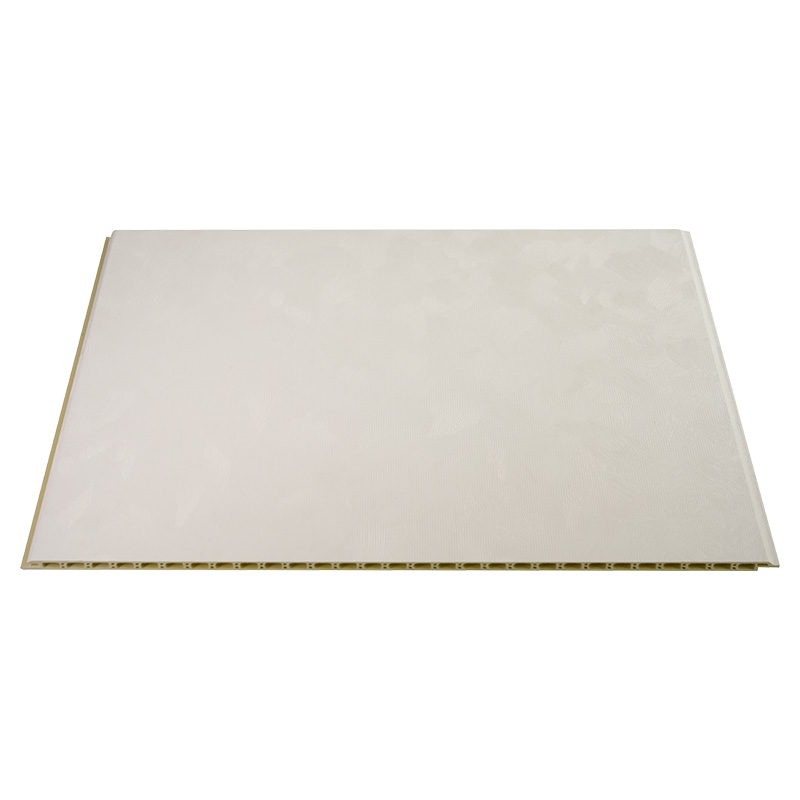
Practical Examples of Wall Panel Combinations
1. Wood Panels with Painted Walls
A popular approach is to use wooden panels as an accent wall behind a bed, sofa, or dining area, with the remaining walls painted in a neutral tone. This combination brings warmth and elegance without overwhelming the space.
2. PVC Panels with Tiles
In bathrooms and kitchens, combining water-resistant PVC panels with tiles creates a practical yet stylish solution. For instance, tiles can cover high-moisture areas like showers or backsplashes, while PVC panels cover the remaining wall space.
3. Metal Panels with Exposed Brick
Industrial interiors often mix exposed brick walls with metal or steel panels. The roughness of brick combined with the sleekness of metal creates a bold, modern aesthetic.
4. Acoustic Panels with Wallpaper
In home theaters, studios, or offices, combining sound-absorbing panels with patterned wallpaper can add both functionality and style. Acoustic panels can be framed or partially covered with wallpaper to match the interior design.
5. Fabric Panels with Paint or Wood
Soft fabric panels add texture and comfort to bedrooms or living rooms. Pairing them with painted walls or wooden panels can create a layered and cozy ambiance.
Installation Considerations
Combining wall panels with other finishes requires careful planning during installation:
- Level Surfaces: Panels require flat walls. If installing over textured surfaces, preparation may be needed.
- Transition Strips: For a seamless look, use trim, molding, or transition strips between different finishes.
- Moisture Management: In humid areas, ensure proper waterproofing when combining panels with tiles or painted surfaces.
- Adhesives and Fasteners: Some panels require nails, screws, or special adhesives. Choose methods compatible with the adjacent wall finish.
- Maintenance Access: Ensure panels are installed in a way that allows cleaning or replacement without damaging other finishes.
Common Challenges and How to Overcome Them
- Mismatch of Styles: Using modern panels with traditional wallpaper can clash. Solution: choose transitional designs that bridge styles.
- Overcrowding: Too many textures or colors can overwhelm a space. Solution: limit panels to one area and keep the rest simple.
- Structural Limitations: Heavy panels may require wall reinforcement. Solution: consult a professional for load-bearing walls.
- Color Fading: Some finishes, especially wood and fabric, may fade over time. Solution: use UV-protective coatings or avoid direct sunlight.
Final Tips for a Cohesive Look
- Start Small: Test combinations in a small area before committing to a full wall.
- Use Samples: Always compare material samples under natural and artificial lighting.
- Focus on Focal Points: Panels work best when highlighting specific areas like fireplaces, beds, or feature walls.
- Consistency in Style: Even with multiple finishes, maintain a consistent design language—e.g., modern, rustic, or minimalist.
- Professional Consultation: When in doubt, consult an interior designer for advice on material selection, placement, and installation.
Conclusion
Indoor wall panels can absolutely be combined with other wall finishes to create unique, stylish, and functional interiors. By understanding the properties of different materials, following design principles, and planning installations carefully, homeowners can achieve a balanced and visually appealing space. Whether it’s pairing wood panels with paint, tiles with PVC, or metal with brick, the possibilities are nearly endless. The key is to strike the right balance of texture, color, and function while keeping the room cohesive and practical.


