


 English
 中文简体
中文简体 عربى
عربى
Content
- What WPC Wall Panels Are Made Of
- WPC vs Wood vs PVC Wall Panels
- Interior Applications for WPC Wall Panels
- Exterior WPC Wall Cladding
- WPC Wall Panel Installation Methods
- Surface Finishes and Profiles Available
- Maintenance and Long-Term Care
- Cost of WPC Wall Panels
- What to Check Before Buying WPC Wall Panels
- Environmental Profile of WPC Wall Panels
WPC wall panels are composite cladding boards made from a blend of wood fiber and thermoplastic polymers, typically polyethylene or PVC. They deliver the warm, natural look of timber with substantially better resistance to moisture, rot, and insects. For interior accent walls, bathroom cladding, balcony surrounds, or exterior facades, WPC panels are one of the most practical choices available today, combining low maintenance with a lifespan that regularly exceeds 20 years under normal conditions.
What WPC Wall Panels Are Made Of
The composition of a WPC wall panel directly affects how it performs. Most panels on the market contain between 50 and 70 percent wood flour or rice husk fiber, with the remainder being a thermoplastic binder and a small percentage of additives such as UV stabilizers, colorants, and lubricants.
Core Materials
- Wood fiber or rice husk: Provides structural stiffness and the natural aesthetic grain pattern.
- PVC or PE binder: Locks the fibers together, creating water resistance and dimensional stability.
- UV stabilizers: Prevent fading from prolonged sun exposure, critical for outdoor applications.
- Co-extrusion cap layer: Premium panels include a hard protective shell bonded to the outer surface, improving scratch and stain resistance significantly.
Co-extruded panels cost roughly 15 to 25 percent more than uncapped alternatives, but the surface holds up far better in high-traffic areas and harsh climates.
WPC vs Wood vs PVC Wall Panels
Choosing the right wall cladding material means weighing durability, appearance, cost, and maintenance. The table below compares WPC panels against solid wood and pure PVC panels across the most relevant practical factors.
| Factor | WPC Panel | Solid Wood | Pure PVC |
|---|---|---|---|
| Water resistance | High | Low to medium | Very high |
| Natural appearance | Good | Excellent | Fair |
| Maintenance required | Very low | High (annual sealing) | Very low |
| Estimated lifespan | 20 to 30 years | 10 to 20 years | 25 to 35 years |
| Thermal expansion | Moderate | High | High |
| Eco credentials | Good (uses recycled fiber) | Variable | Poor |
Interior Applications for WPC Wall Panels
Inside the home, WPC panels are used far more broadly than most homeowners realize. Their dimensional stability makes them far less prone to warping with temperature and humidity swings than solid timber, which is a critical advantage in rooms like kitchens and bathrooms.
Popular Interior Uses
- Feature walls in living rooms and bedrooms: Fluted and grooved profiles create strong visual texture without the cost of decorative stone or real wood veneer.
- Bathroom and wet area cladding: WPC panels are fully waterproof and do not swell, making them a practical alternative to ceramic tile where a warmer look is desired.
- Kitchen backsplashes: Easy to wipe clean and resistant to common kitchen solvents.
- Corridor and hallway paneling: High impact resistance compared to gypsum board makes WPC practical in narrow high-traffic passages.
- Commercial interiors: Offices, hotels, and retail spaces use WPC panels to add warmth and acoustic dampening to large open areas.
For bathroom applications specifically, look for panels rated with a water absorption rate below 0.5 percent. Panels exceeding this threshold are better suited to dry indoor environments only.
Exterior WPC Wall Cladding
Outdoor facade cladding faces a significantly harsher environment than interior panels. Rain, UV radiation, temperature cycling, and biological growth all degrade materials over time. Co-extruded WPC panels with a Class A UV stabilizer content outperform uncapped boards by a wide margin outdoors, with color retention measured at under 5 delta-E units after 2,000 hours of accelerated weathering in independent tests.
Key Considerations for Exterior Use
- Expansion gaps: WPC expands with heat. Leave a minimum 5 mm gap between panel ends and 3 mm between board edges to prevent buckling in summer.
- Ventilated cavity: Install panels over a batten frame with at least 25 mm of air space behind. This prevents trapped moisture and dramatically extends panel life.
- Fixing method: Hidden clip systems are preferred for exterior facades as they allow for thermal movement and eliminate exposed fastener heads that can corrode.
- Fire rating: For commercial buildings, confirm the panel meets local fire spread regulations. Many WPC cladding products are rated B1 or equivalent fire-retardant grade.
WPC Wall Panel Installation Methods
Installation approach affects both the final appearance and how well the system handles movement over time. There are three common methods.
Direct Adhesive Fixing
Panels are bonded directly to a flat, clean substrate using construction adhesive. This method works well for interior walls that are smooth and plumb. It is the fastest installation method but allows no adjustment afterward and restricts thermal movement, making it unsuitable for outdoor use.
Batten and Clip System
Horizontal aluminum or timber battens are fixed to the wall first, then panels are locked into T-shaped or H-shaped clips along the batten. This is the recommended method for both exterior facades and humid interior spaces because it creates a ventilated cavity and accommodates expansion without stress on the panels.
Tongue and Groove Interlocking
Many WPC wall panels feature a tongue-and-groove profile along the long edges, allowing them to click together horizontally. This is common for feature wall planks installed on interior accent walls and provides a clean, seamless appearance without visible fixings.
Surface Finishes and Profiles Available
The range of surface finishes has expanded considerably, making WPC panels competitive with decorative alternatives at a fraction of the cost.
- Wood grain emboss: The most common finish, replicating the appearance of oak, teak, or cedar with a brushed or sanded texture.
- Flat matte: Smooth, contemporary surface suited to modern interiors in neutral tones.
- Fluted profile: Vertical grooves running the panel length create a strong architectural rhythm, popular in feature walls and lobby cladding.
- Stone or concrete look: Textured finishes that replicate mineral surfaces, used where the warmth of wood grain is not desired.
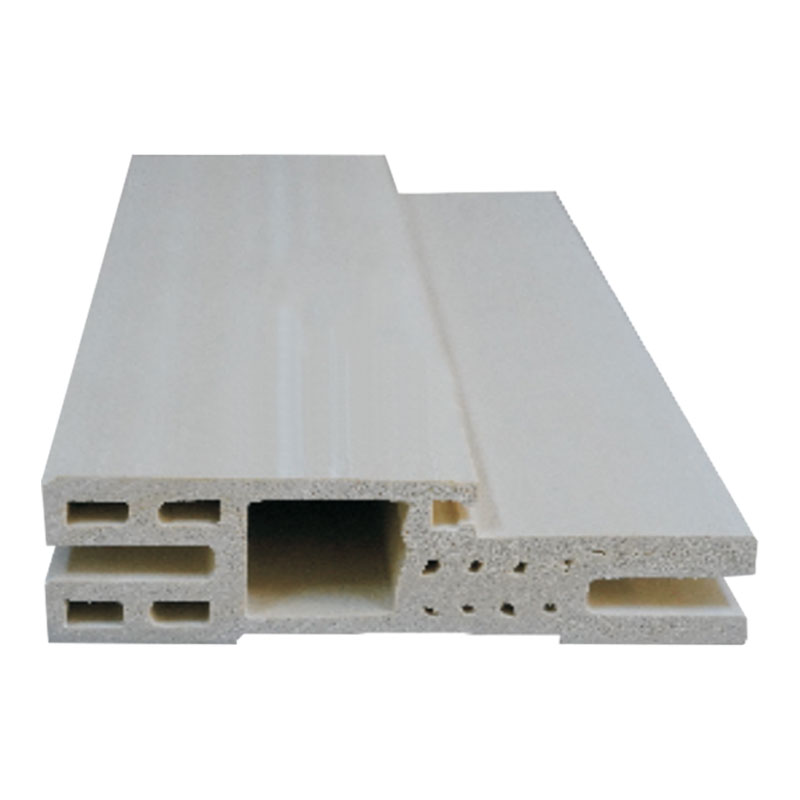
- Hollow vs solid core: Hollow-core panels weigh roughly 30 to 40 percent less than solid equivalents and are easier to handle on large facade projects, while solid-core panels offer better impact resistance and acoustic performance.
Maintenance and Long-Term Care
One of the strongest selling points of WPC wall panels is minimal upkeep. Unlike painted timber, they do not need annual recoating and are not susceptible to termite damage.
Routine Cleaning
For interior panels, a damp cloth or mild soapy water removes most marks. For exterior cladding, a low-pressure rinse with water once or twice a year is sufficient to remove dust and organic debris. Avoid high-pressure washers set above 1,200 PSI, as they can erode the cap layer on co-extruded panels over time.
Dealing with Surface Marks
Light scratches on wood-grain embossed panels are often barely visible due to the textured surface. Deeper scratches on flat or co-extruded panels can sometimes be blended using a heat gun on a low setting to soften the surface layer, though this requires care and testing in an inconspicuous area first.
Mold and Algae
WPC panels in shaded, damp environments can develop surface algae. A diluted bleach solution of 1 part bleach to 10 parts water applied and rinsed after 15 minutes will remove most biological growth without damaging the panel surface. Good ventilation behind exterior panels is the most effective long-term prevention strategy.
Cost of WPC Wall Panels
Pricing varies considerably based on panel thickness, finish quality, and whether a co-extrusion cap layer is included. The figures below reflect typical supply-only costs and do not include installation labor.
| Panel Type | Approx. Cost per sqm | Best Suited For |
|---|---|---|
| Basic uncapped interior WPC | USD 8 to 18 | Dry interior walls, feature walls |
| Co-extruded interior panel | USD 18 to 35 | Bathrooms, kitchens, high-traffic areas |
| Exterior facade cladding (co-extruded) | USD 25 to 55 | Outdoor walls, balcony screens, facades |
| Fluted decorative panel | USD 30 to 65 | Feature walls, commercial interiors |
Installation adds roughly USD 15 to 40 per square meter depending on complexity, substrate preparation required, and whether a batten frame needs to be built out first. Over a 20-year period, the absence of repainting and sealing costs means WPC typically has a lower total cost of ownership than stained timber cladding.
What to Check Before Buying WPC Wall Panels
Not all WPC panels perform equally. The market includes a wide range of quality levels, and a few specific checks will help avoid poor-performing products.
- Ask for test certifications: Look for documentation covering water absorption rate, flexural strength, and UV resistance. Reputable suppliers provide these without hesitation.
- Check wood fiber content: Higher fiber content generally means a better natural look and improved stiffness, but fiber percentages above 70 percent without sufficient binder can reduce moisture resistance.
- Examine the cap layer: For co-extruded panels, the cap should be uniform in thickness with no bubbles or thin spots visible on cut ends.
- Request a sample: Flex a sample panel by hand. Excessive flex or a hollow sound when tapped often indicates thin walls or inconsistent density.
- Confirm warranty terms: A genuine structural and color warranty of at least 10 years is a reasonable baseline expectation for quality exterior WPC cladding.
Environmental Profile of WPC Wall Panels
WPC panels carry a more favorable environmental profile than many competing materials, primarily because the wood fiber component is frequently sourced from agricultural waste such as rice husks, sawdust, or recovered wood offcuts that would otherwise go to landfill. Many manufacturers also incorporate recycled plastic into the polymer binder component.
However, WPC panels are not easily recyclable at end of life because separating the wood and plastic components requires industrial processing that is not widely available. The most sustainable approach is to choose panels with demonstrated longevity rather than prioritizing a low upfront price, since a panel that lasts 25 years generates significantly less waste than one replaced after a decade.


